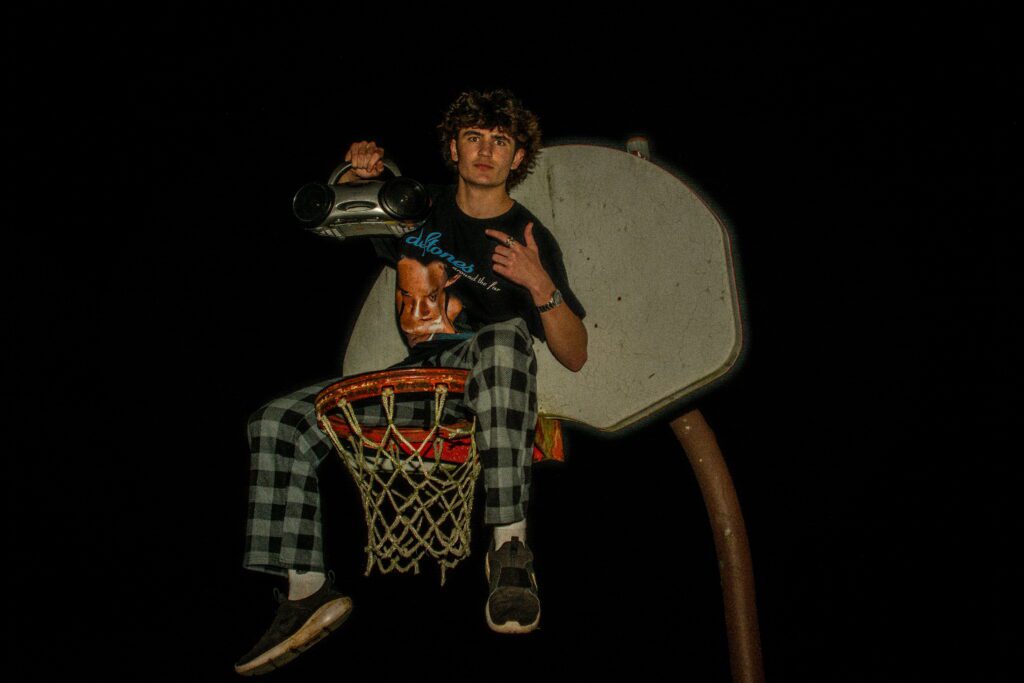
Directed by,
Jack Talley
Follow the Red Trail is an independent supernatural slasher set in the woods, where a small group heads out for what should be a simple escape and ends up confronting something far older than a ghost story. As the night closes in and the forest starts to feel like it has rules of its own, survival becomes less about strength and more about staying calm, staying together, and making the right choices when nothing makes sense. The film blends classic slasher tension with creeping supernatural dread, building suspense through atmosphere, sound, and the feeling that the trail is not just a path—it’s a trap.
Behind the film is a hands-on, do-it-yourself process built from the ground up. The project is written, produced, and developed independently, with a focus on making the woods feel cinematic and oppressive through careful shot planning, practical setups, and controlled lighting that sells moonlight, fog, and distance. The workflow emphasizes capturing clean footage and strong sound on set, then shaping the final experience in post through intentional editing, color work, and detailed sound design to make every step, breath, and silence count. It’s a film made through persistence, planning, and creative problem-solving—designed to feel bigger than its budget while staying personal, gritty, and genuinely scary.
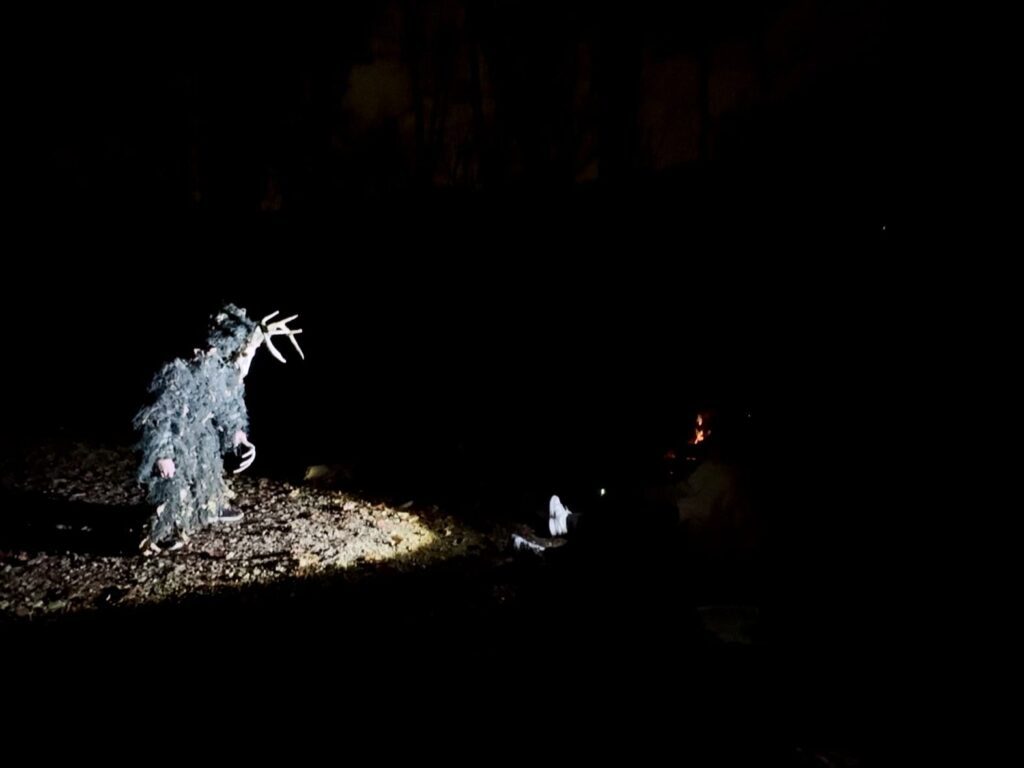
Follow the Red Trail — What I’ve Done So Far
Follow the Red Trail is an independent supernatural slasher I’ve been building from the ground up—starting with a clear concept, then expanding it into a full production plan, a defined creature mythos, and a complete look-and-sound workflow that supports the tone of the film.
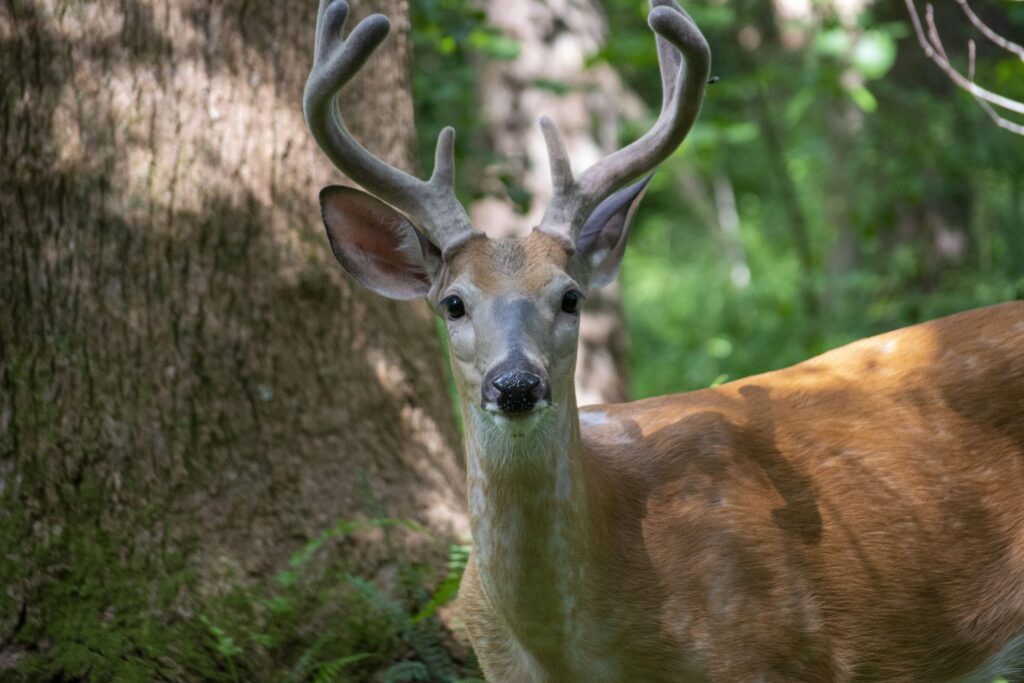
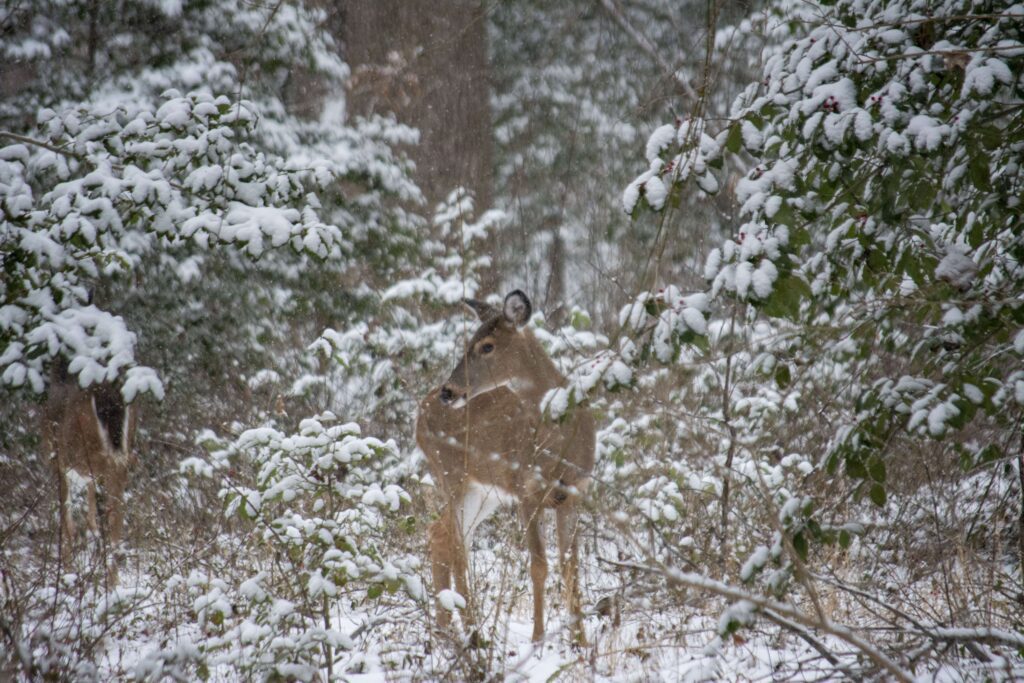
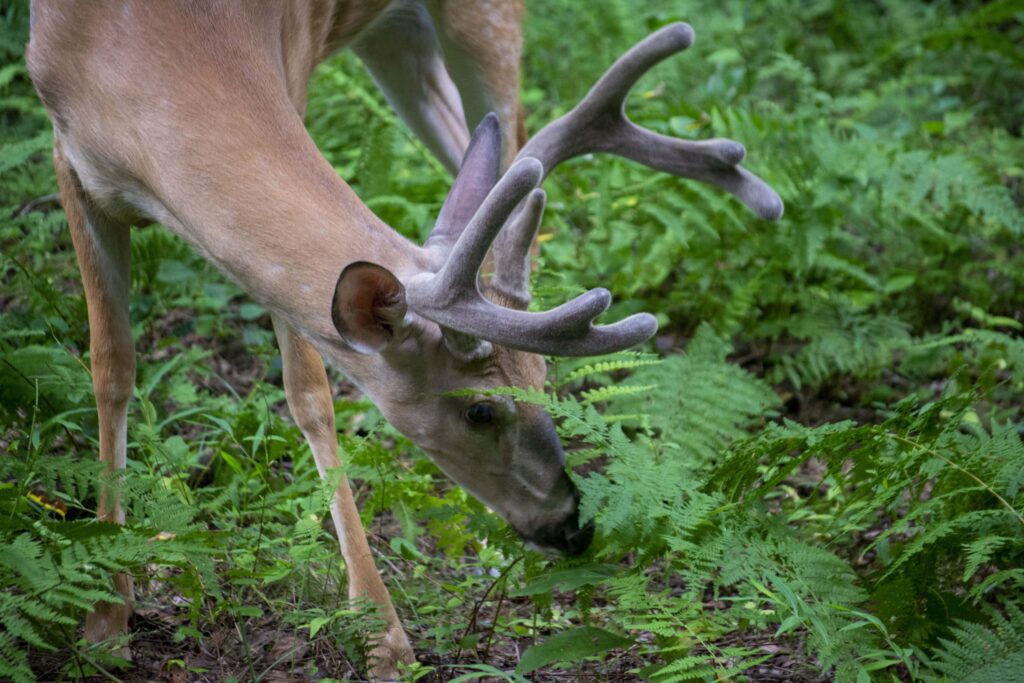
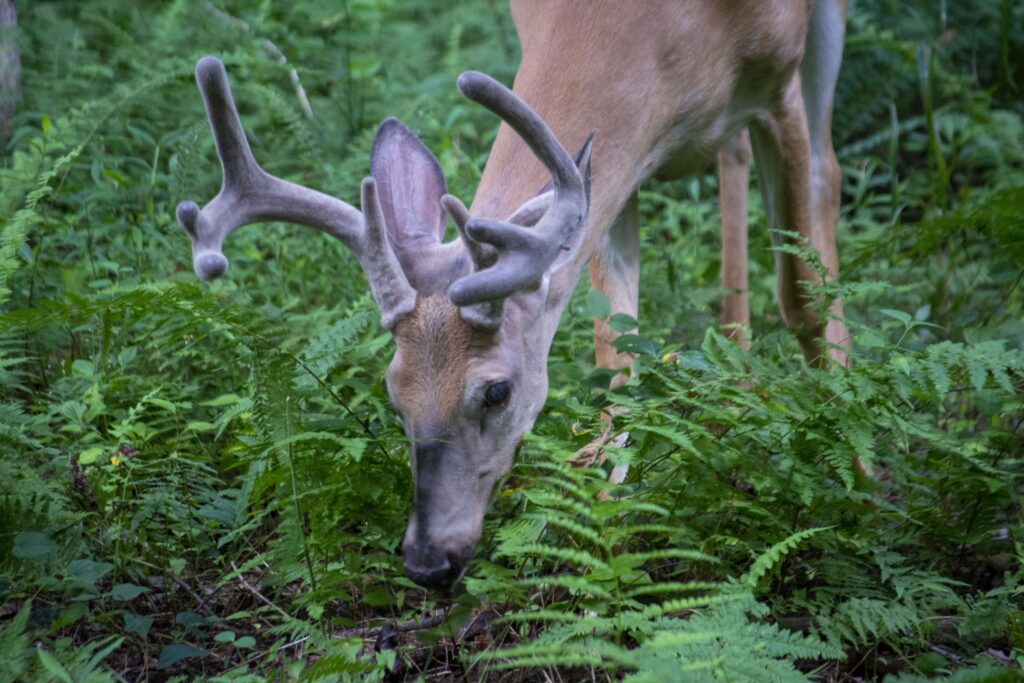
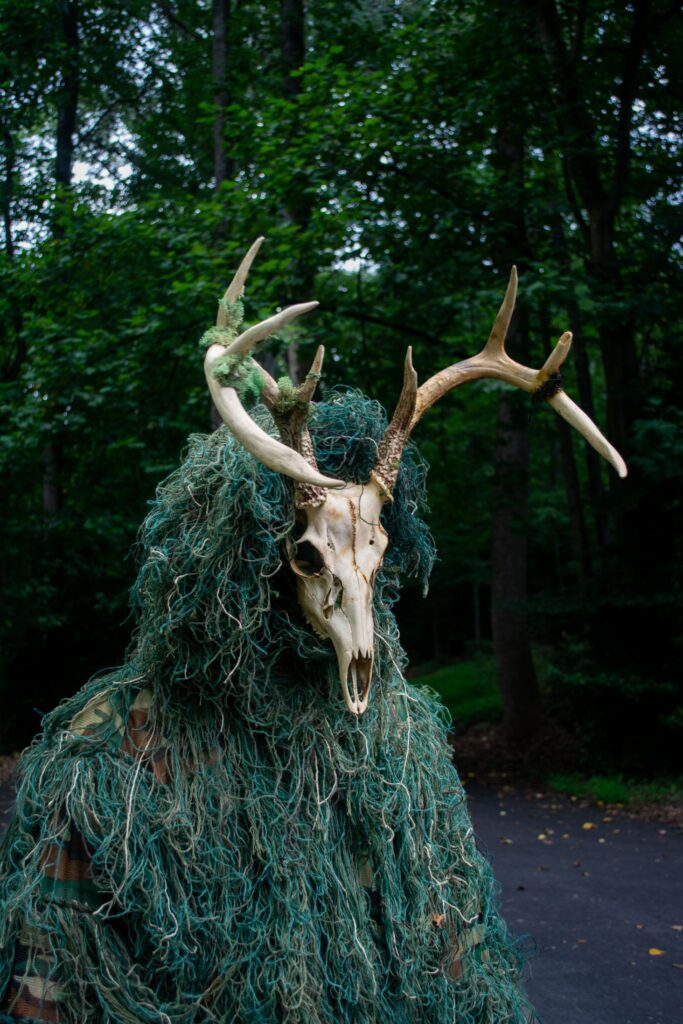
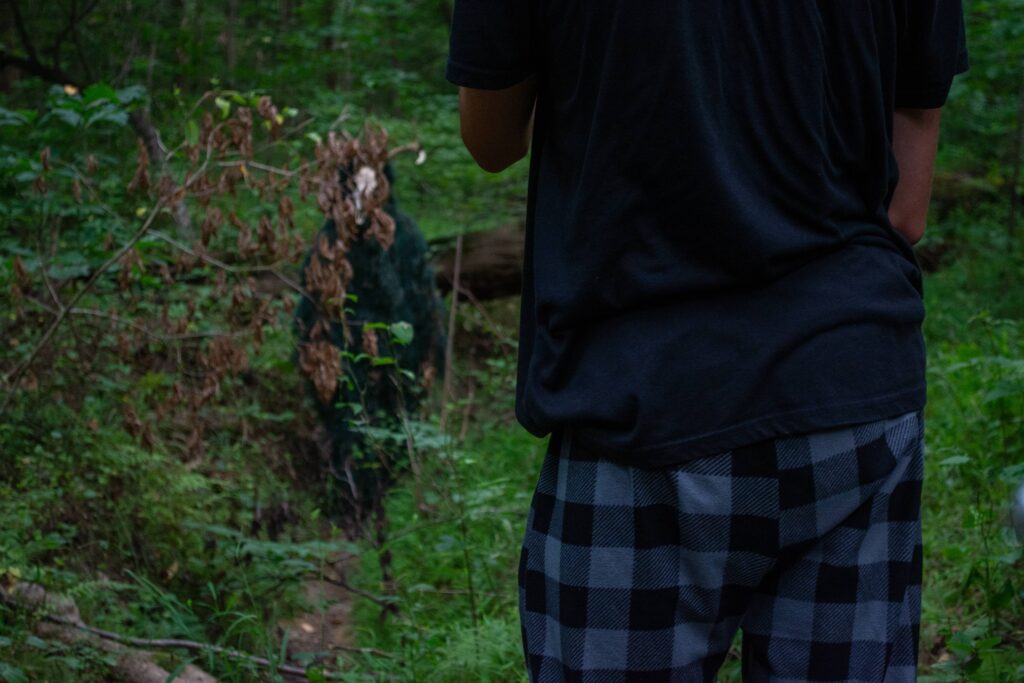
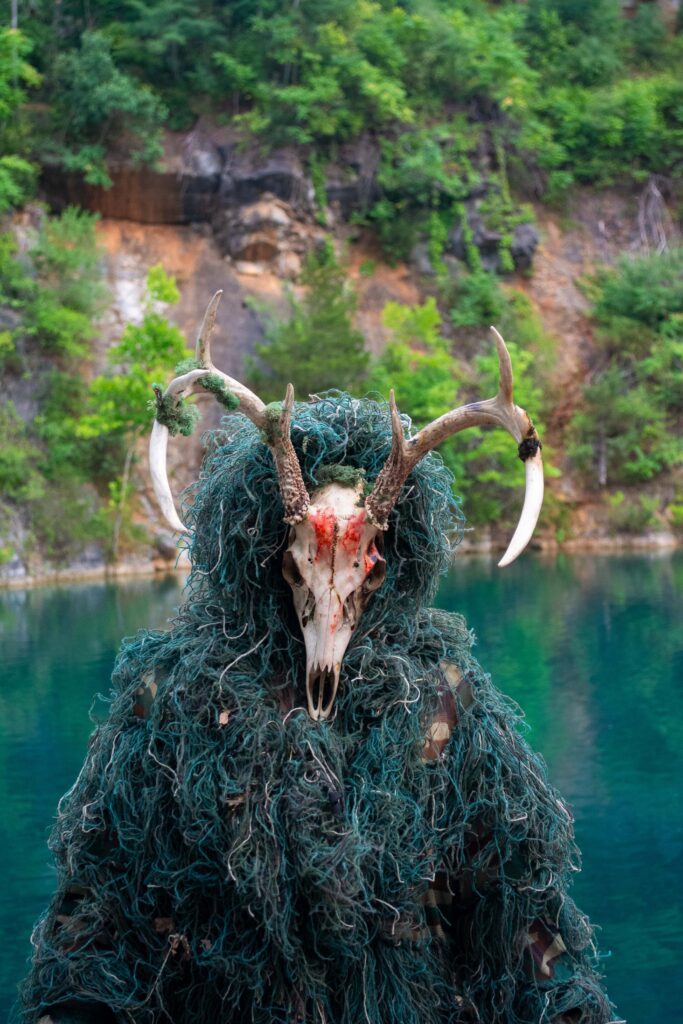
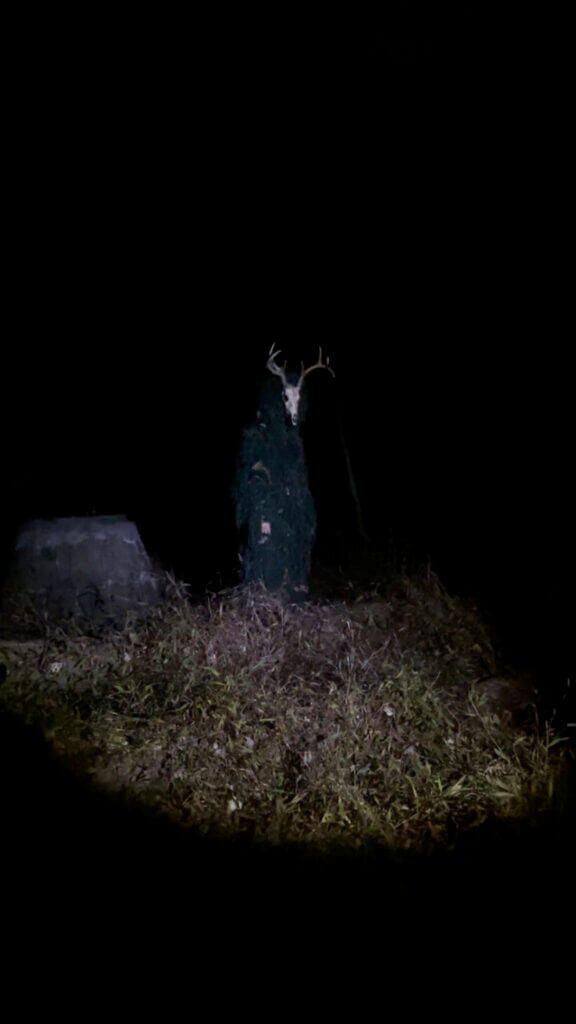
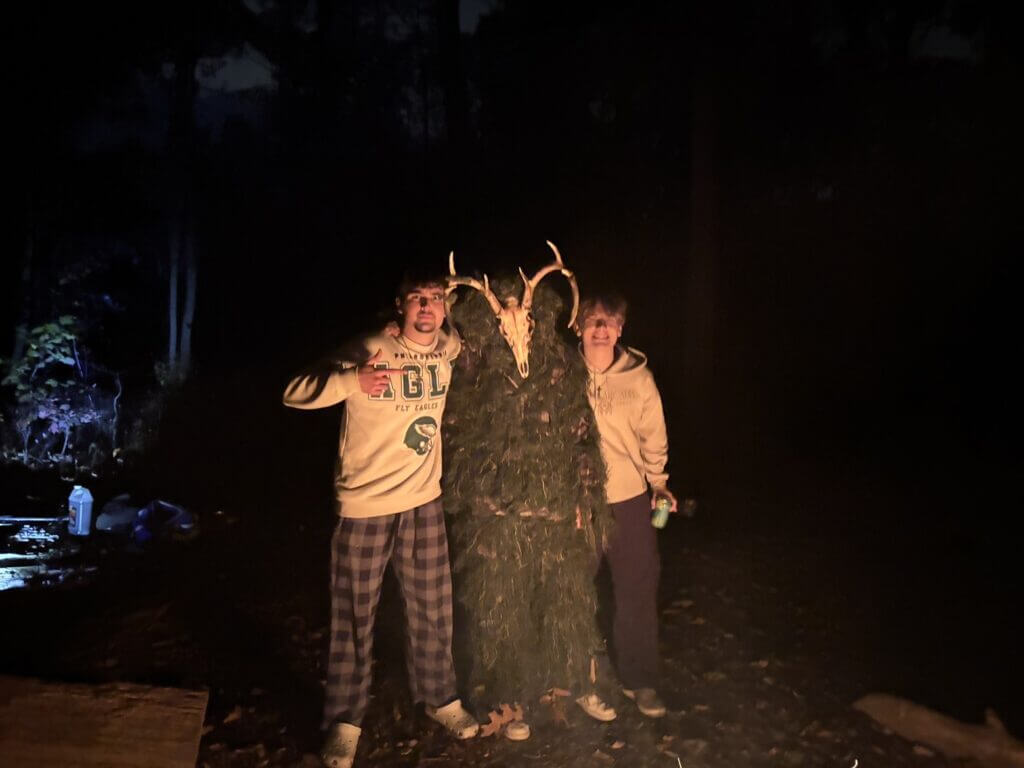
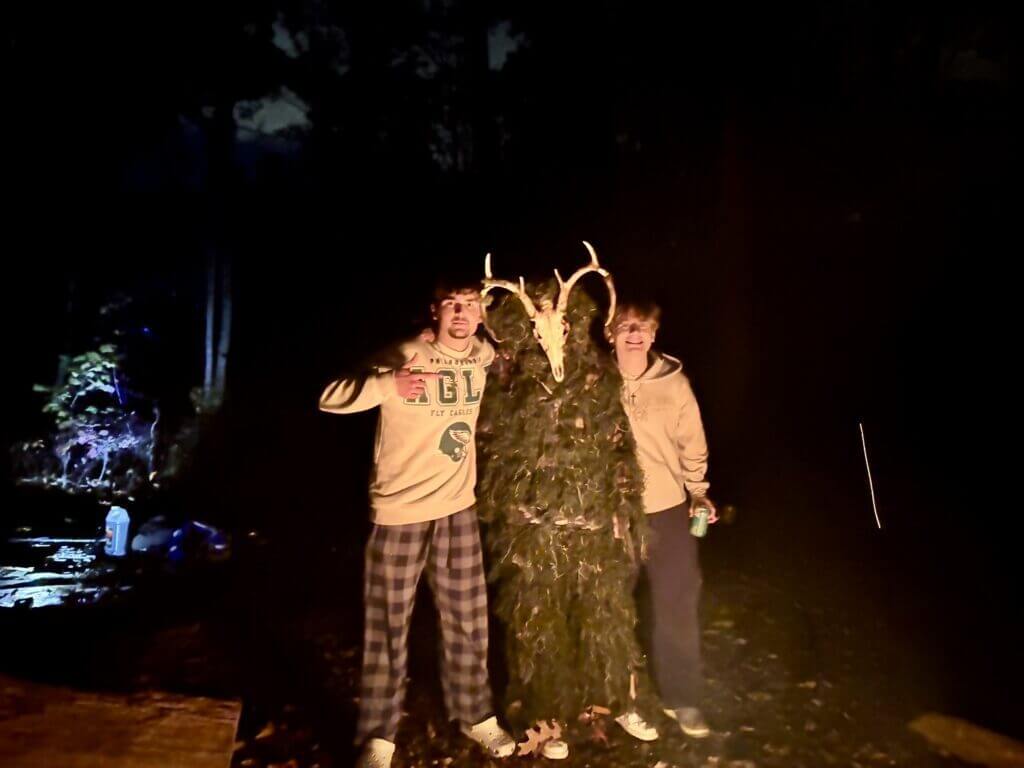
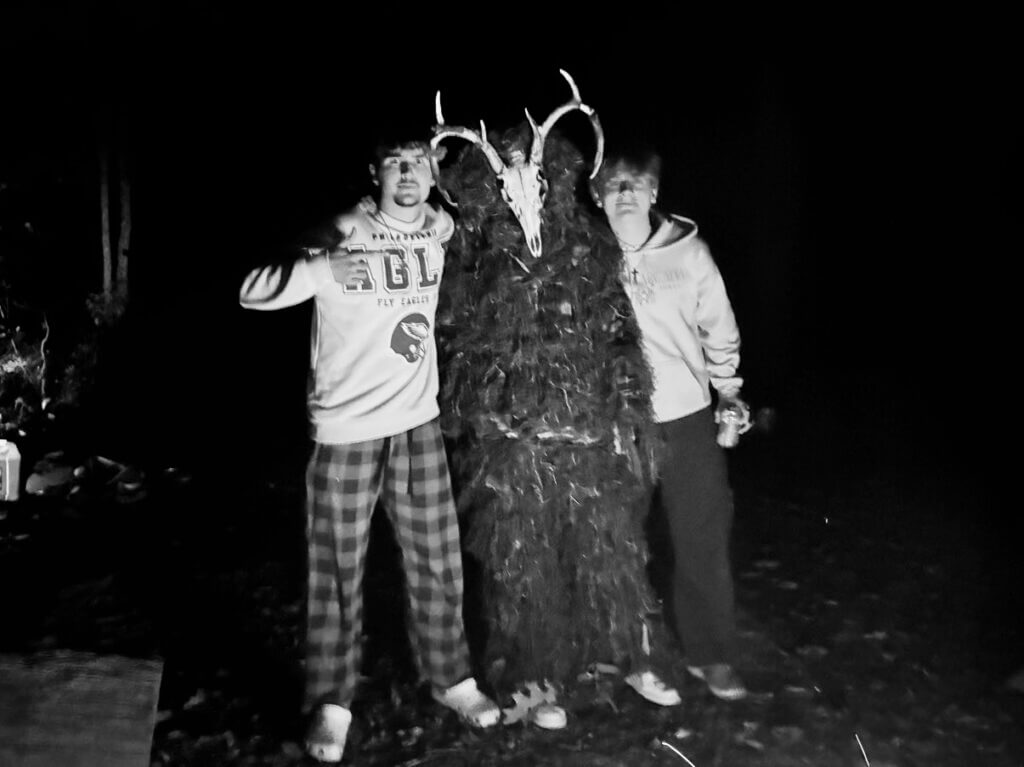
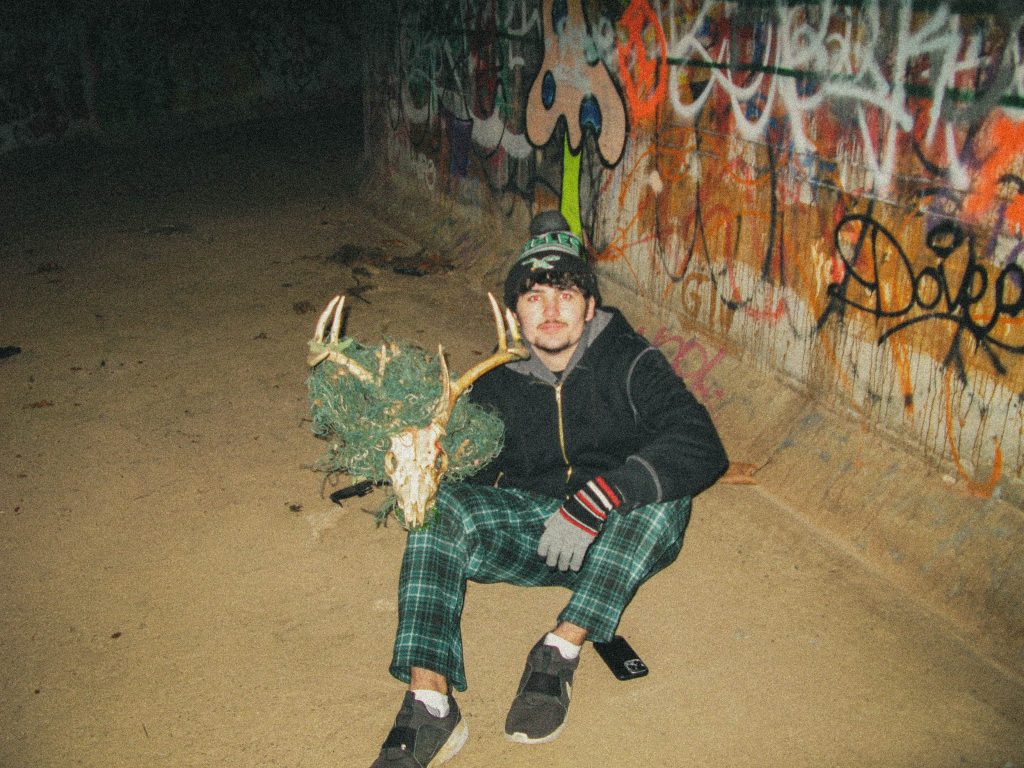
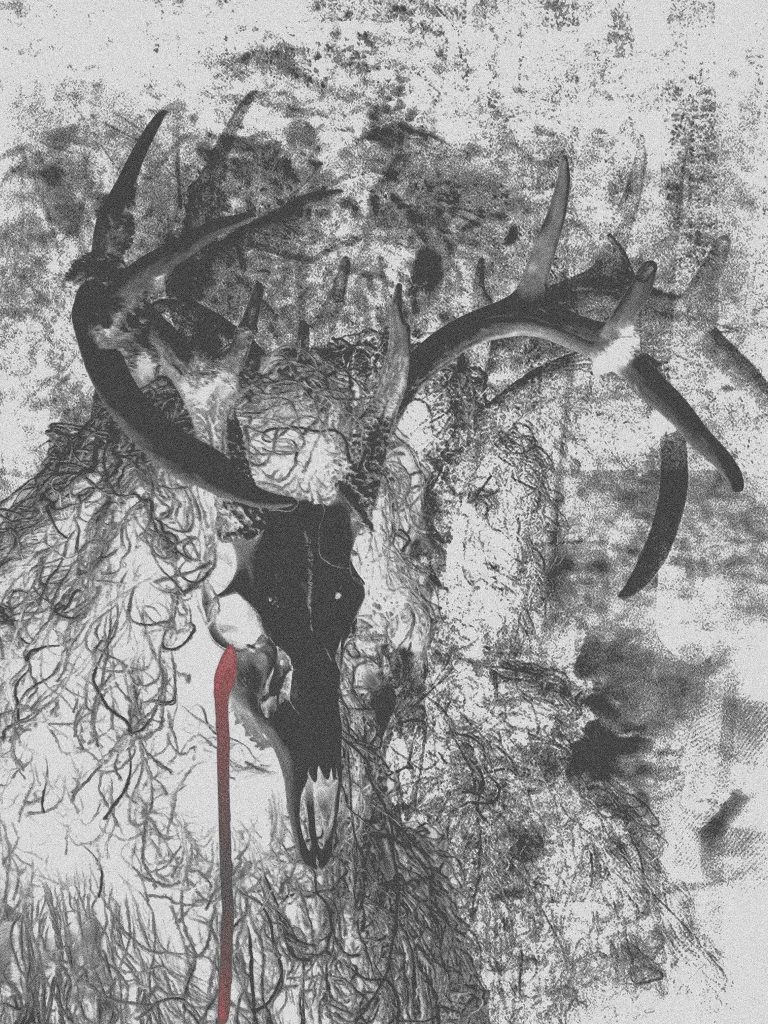
I began by developing the story and shaping the world around it: a forest setting with rules, tension, and a threat that feels larger than a simple “monster.” I created the film’s central creature—often referred to as the Deer Man (also explored under alternate names like Ahtomahi)—and focused on making it feel like a real legend: something that can be hinted at through atmosphere, sound, and visual suspense, not just shown outright.
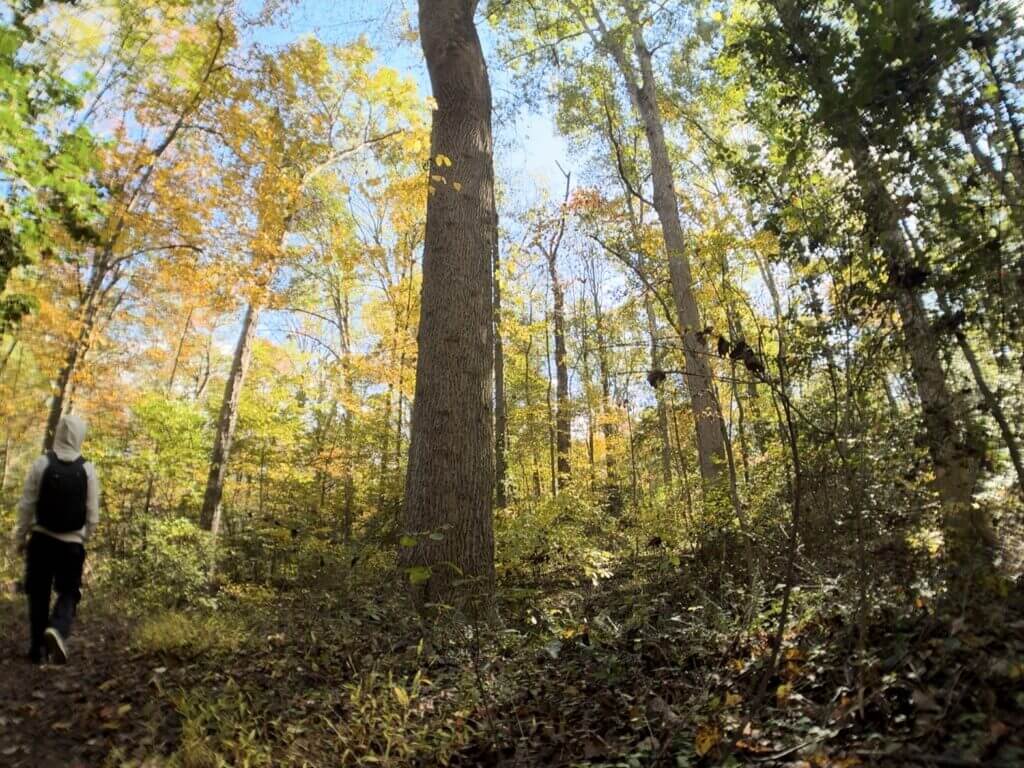
From there, I moved into the technical and creative process of making it feel cinematic. I’ve been planning shots and scenes with a strong emphasis on mood, nighttime lighting, and practical execution—thinking through what can be achieved as an indie film while still delivering a polished, professional experience. I’ve also developed my post-production approach ahead of time, mapping out editing, color decisions, and sound design priorities so the final film lands with the right pacing, dread, and impact.
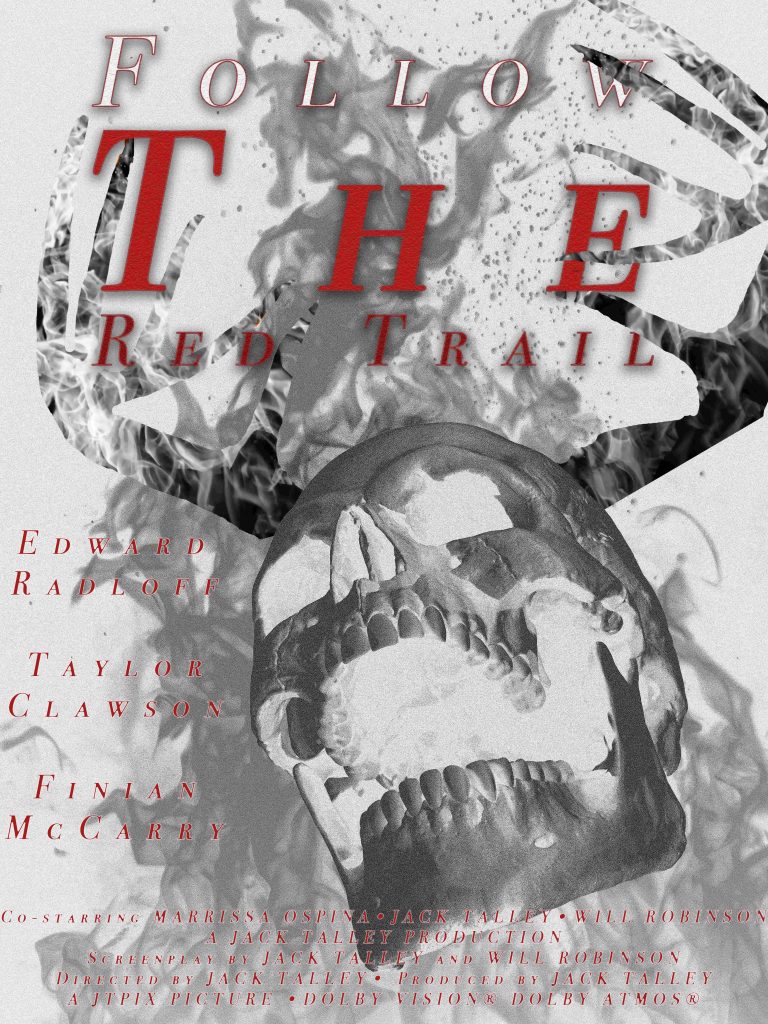
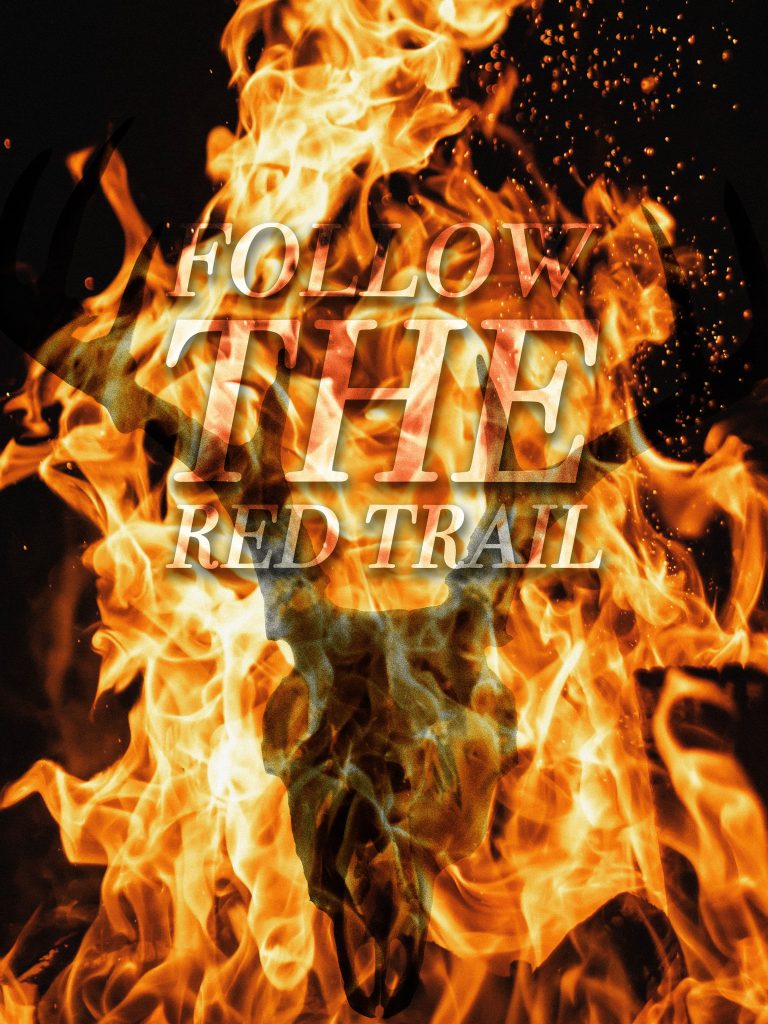
On the finishing side, I’ve been designing the film around high-end goals—working through workflow choices for a clean, modern image and an immersive audio experience, with Dolby Vision/Atmos-style planning in mind. I’ve also been building the film’s identity beyond the footage: developing JTPIX branding, experimenting with vintage-inspired presentation, and working on marketing elements like taglines and poster direction.
Beyond the movie itself, I’ve even started creating a companion interactive forest environment in Godot 3.5, building mood, fog, lighting, movement, and space in 3D to strengthen the world and help visualize the feeling of being trapped out there. Overall, this project has been hands-on at every level—writing, planning, testing, designing, and refining—built through persistence, creative problem-solving, and a clear goal: make an indie horror film that feels real, atmospheric, and genuinely terrifying.
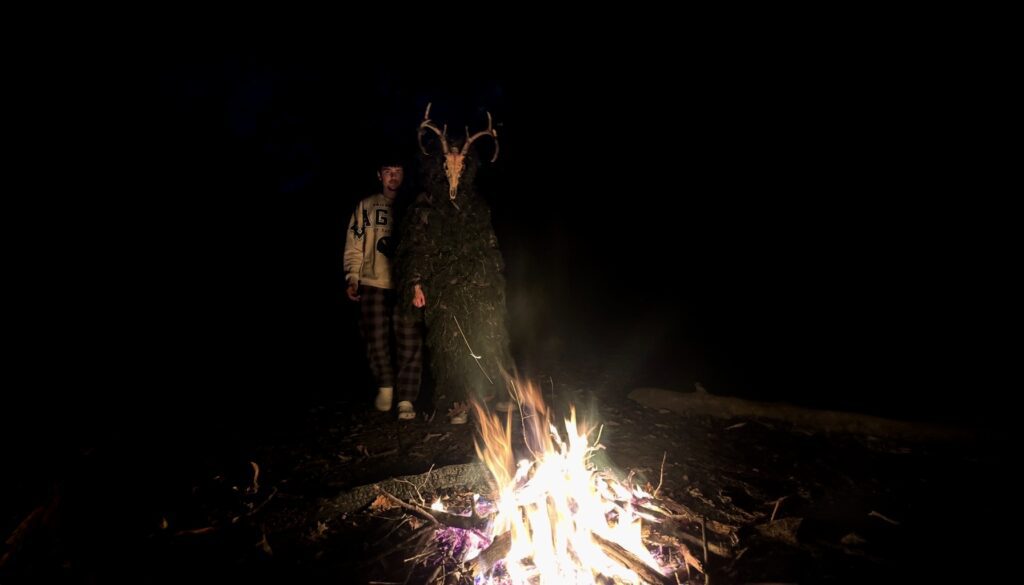
Crew and Cast
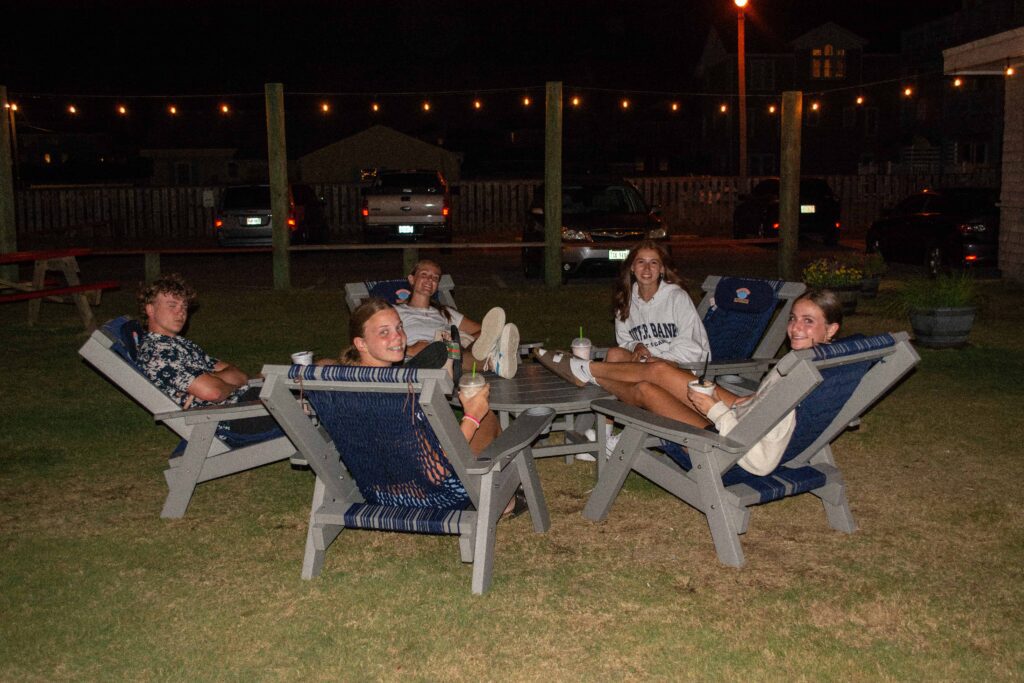
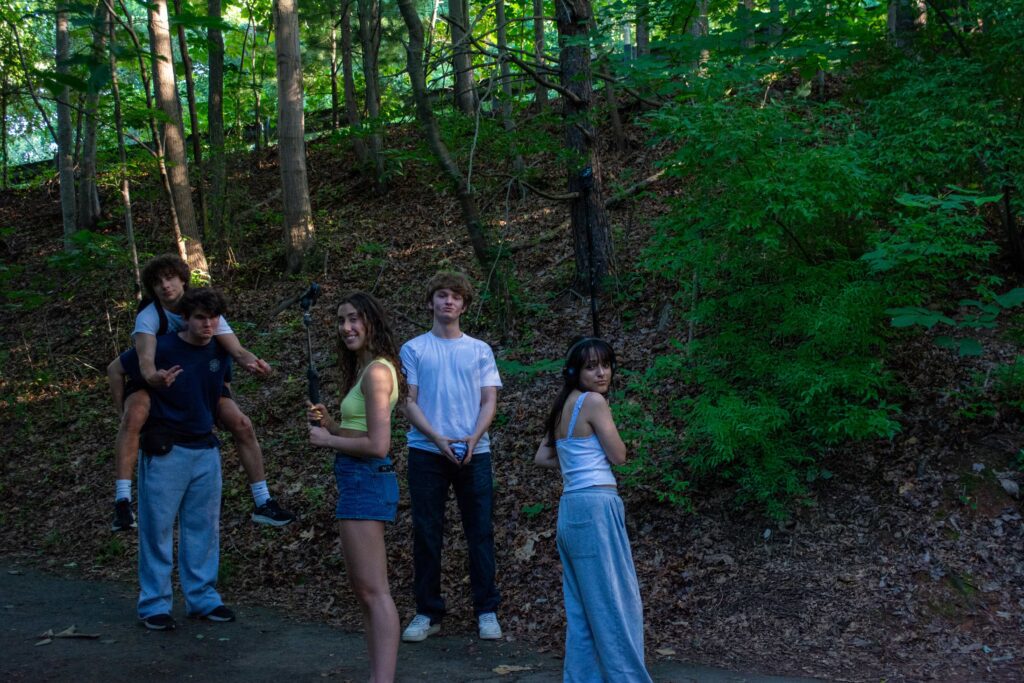
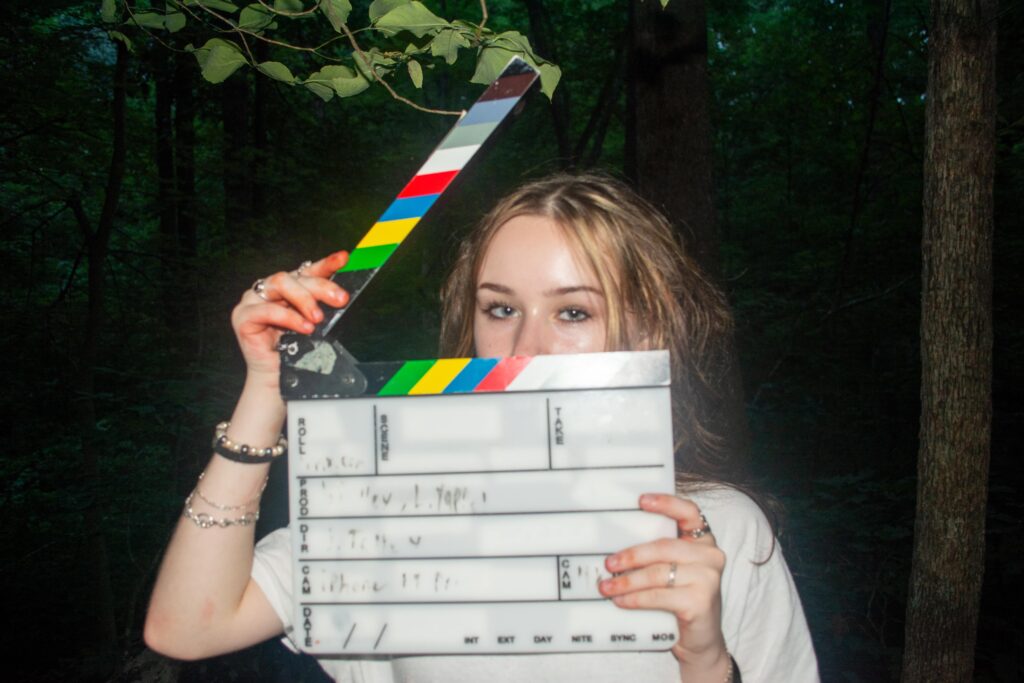
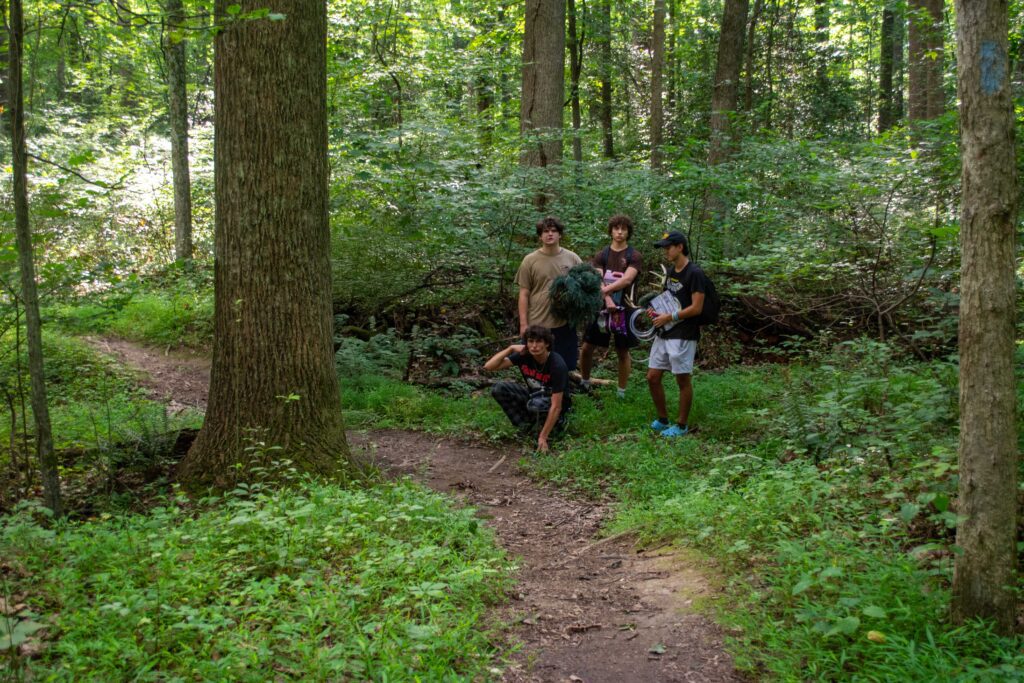
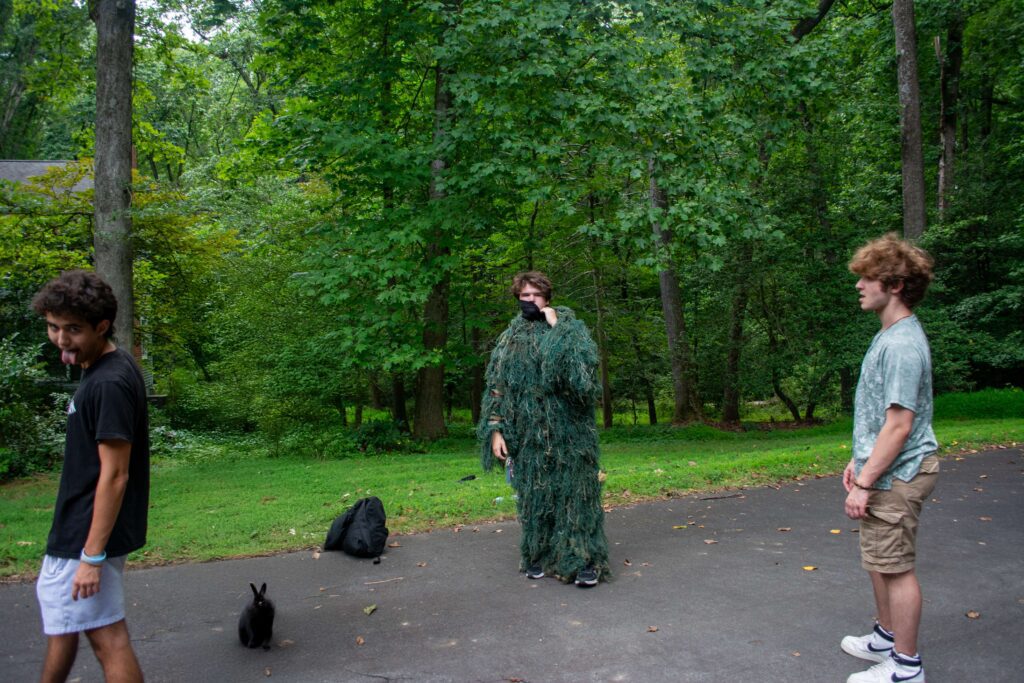
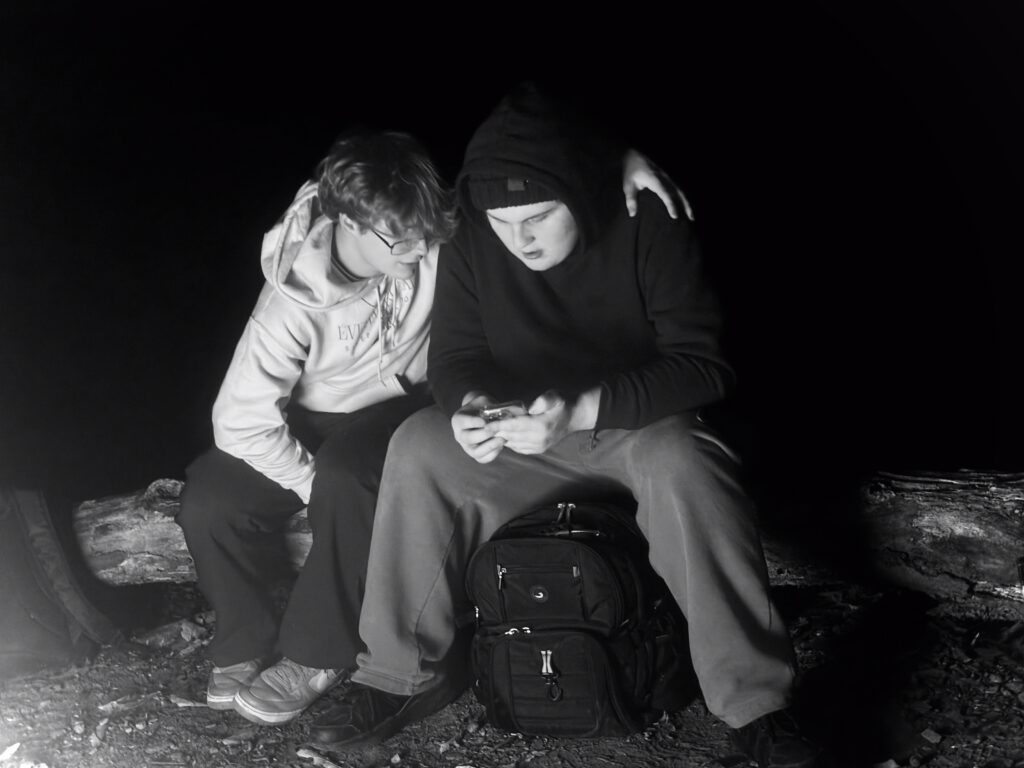
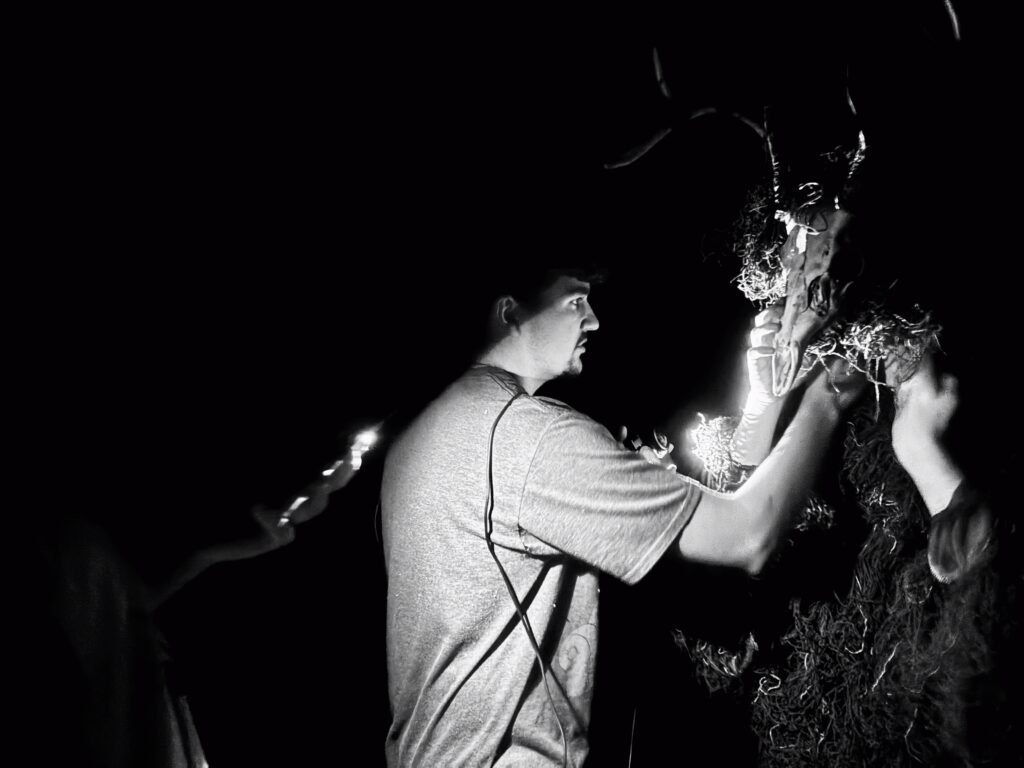
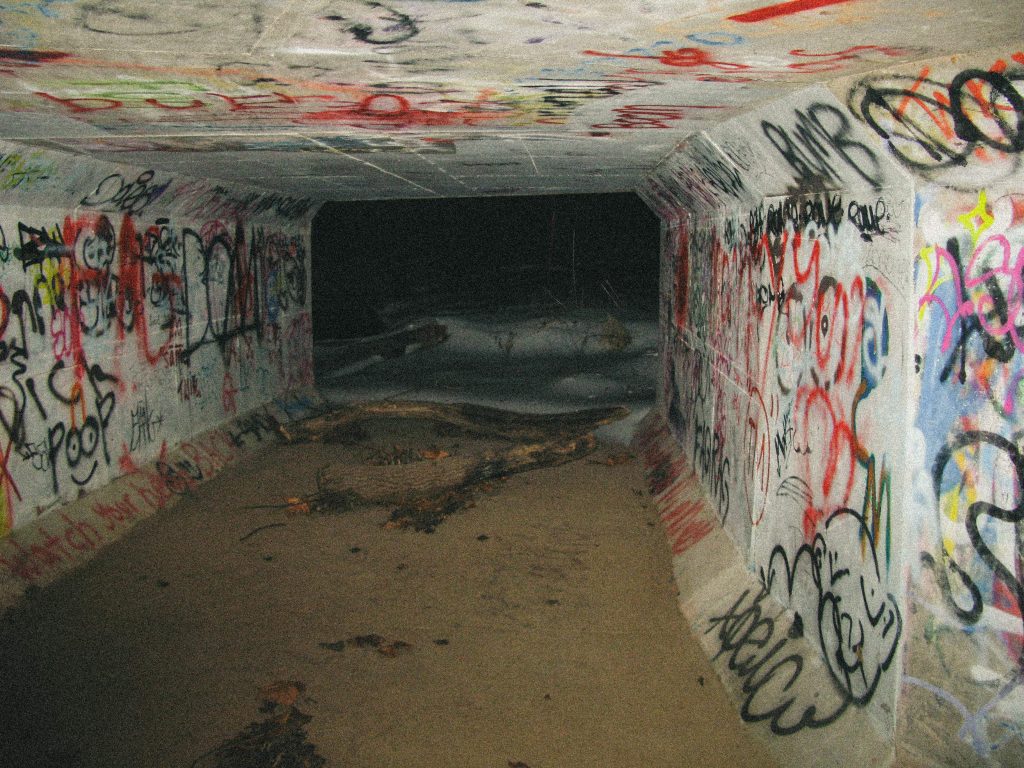
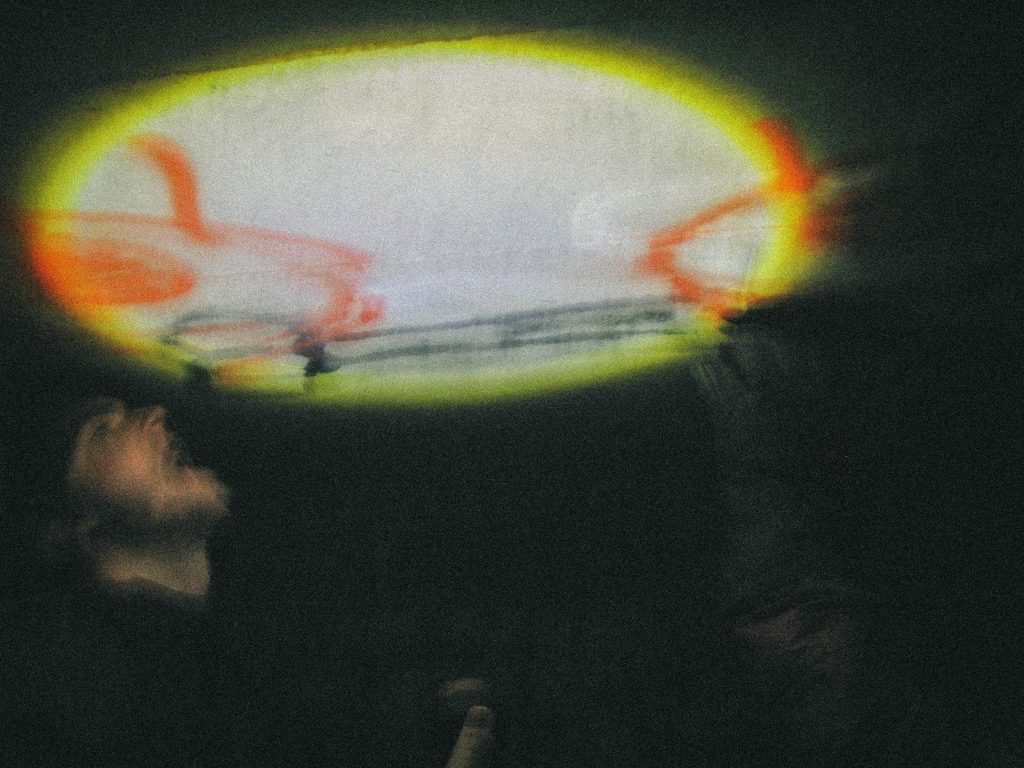
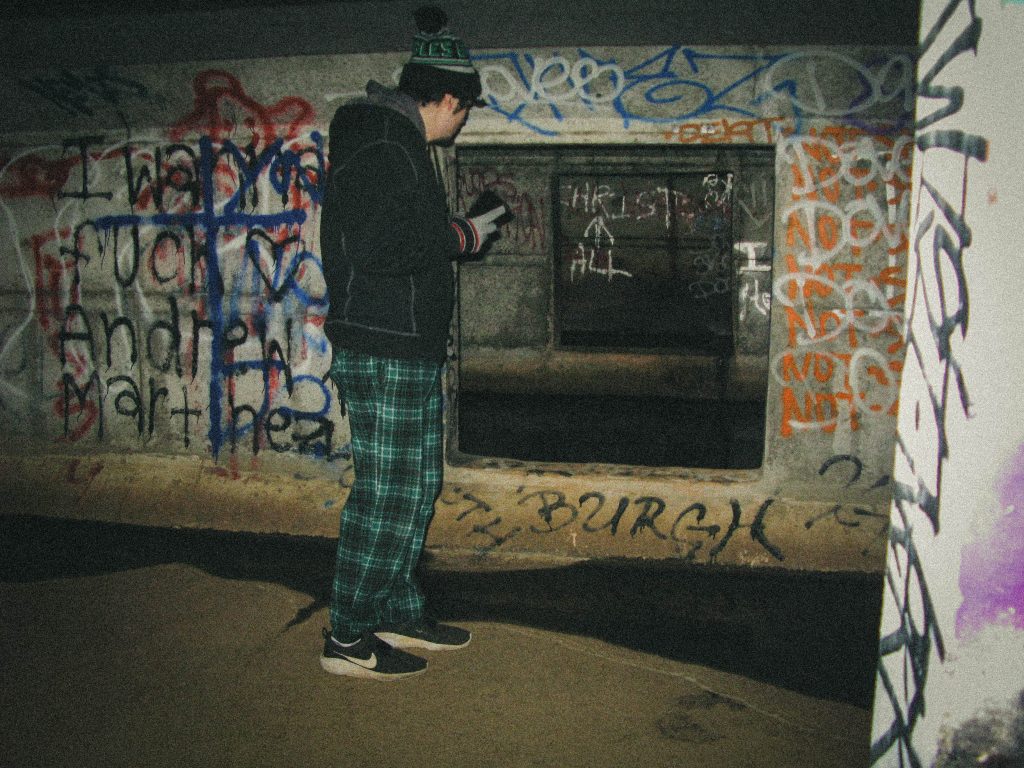
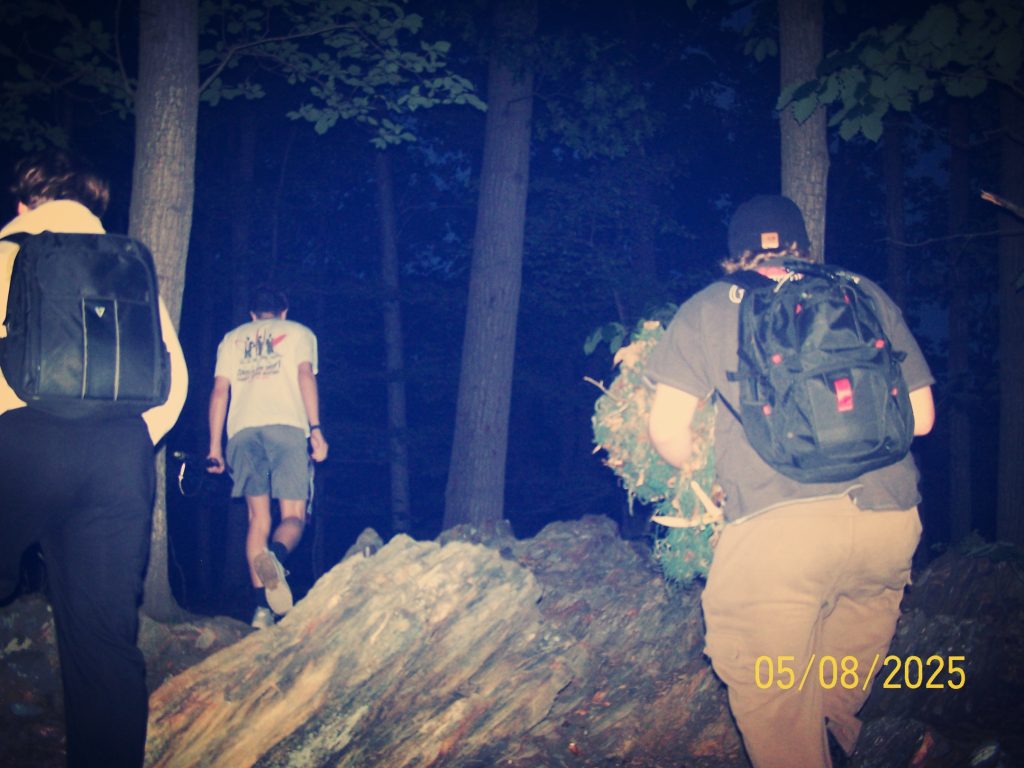
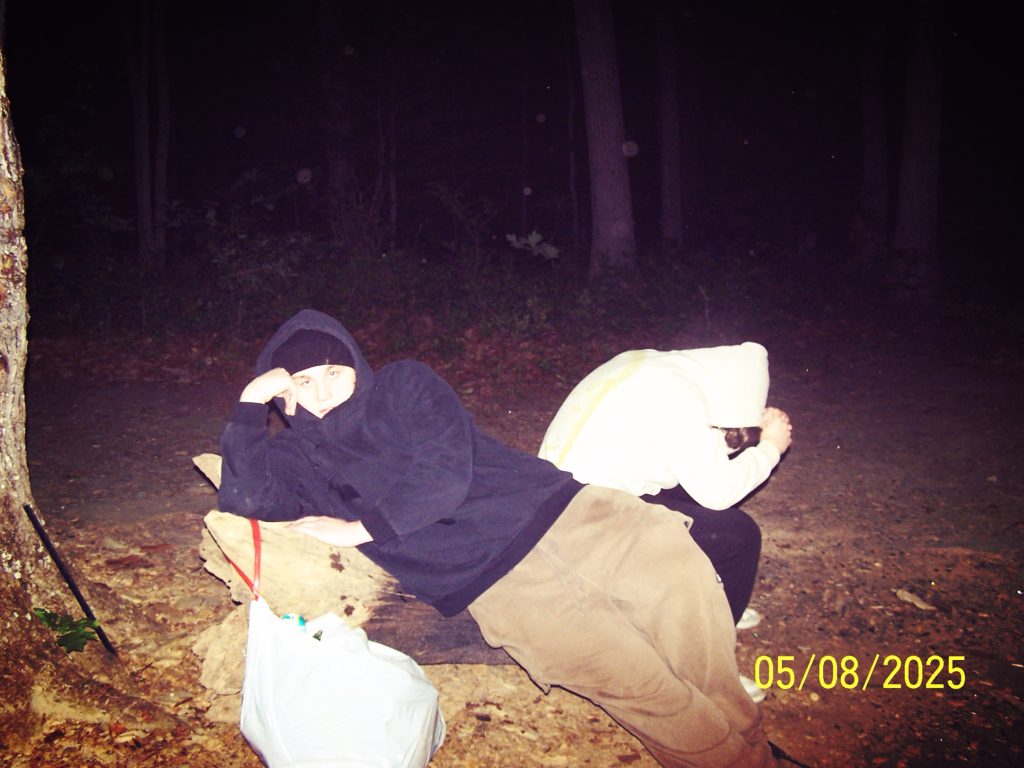
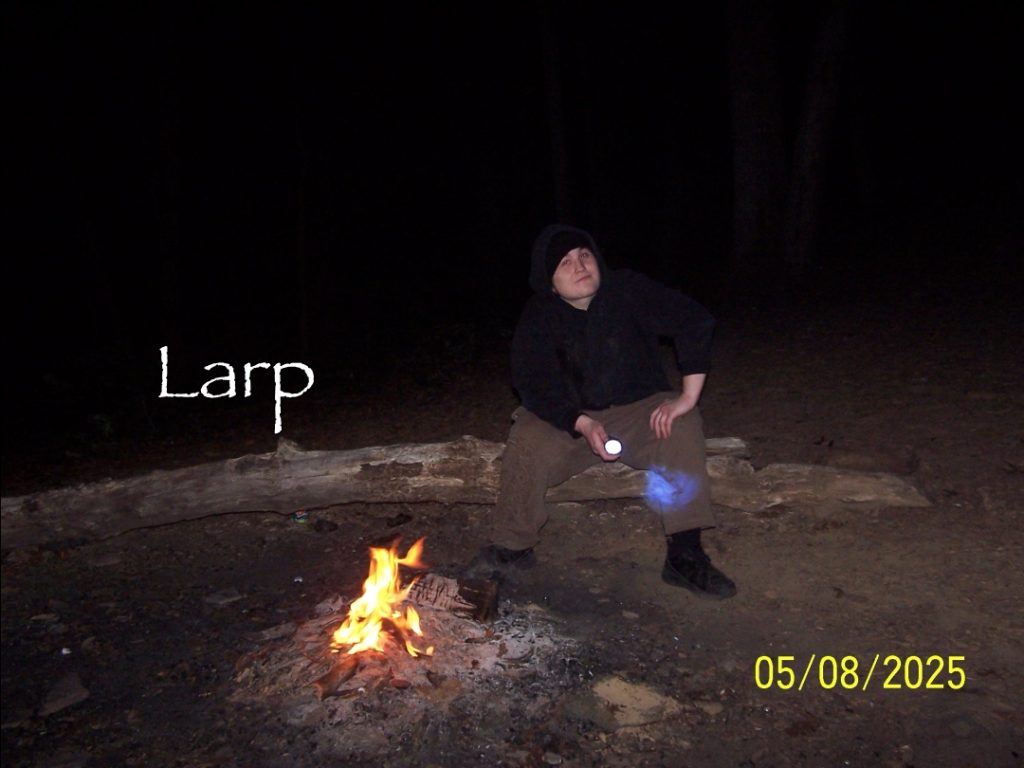
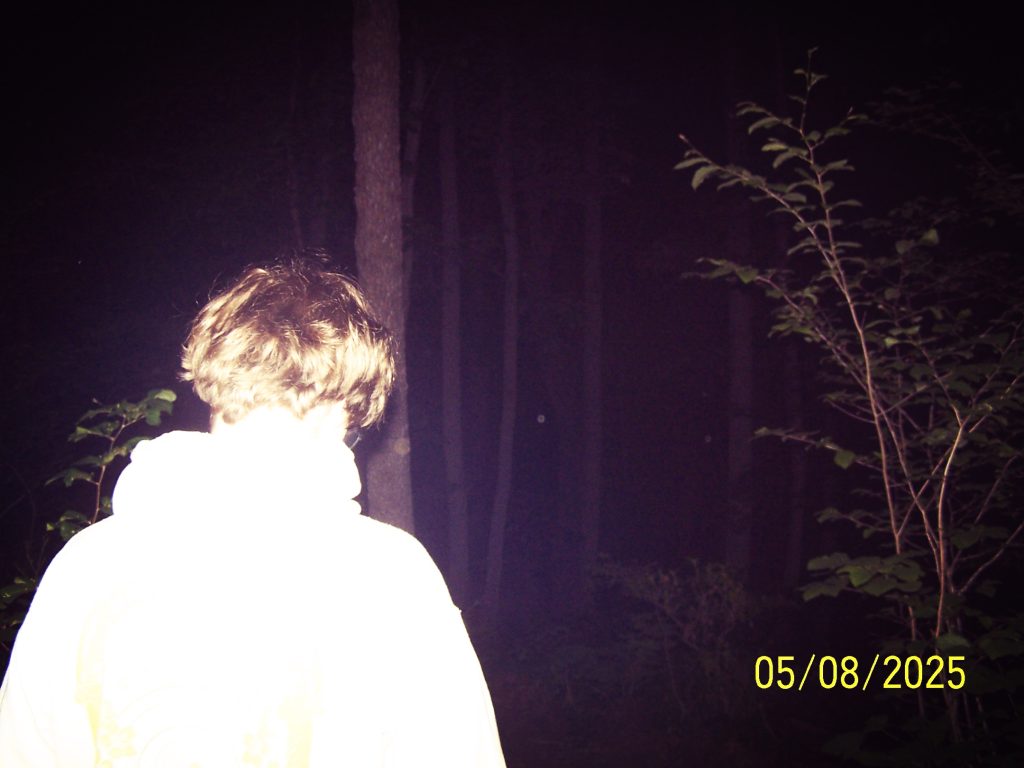
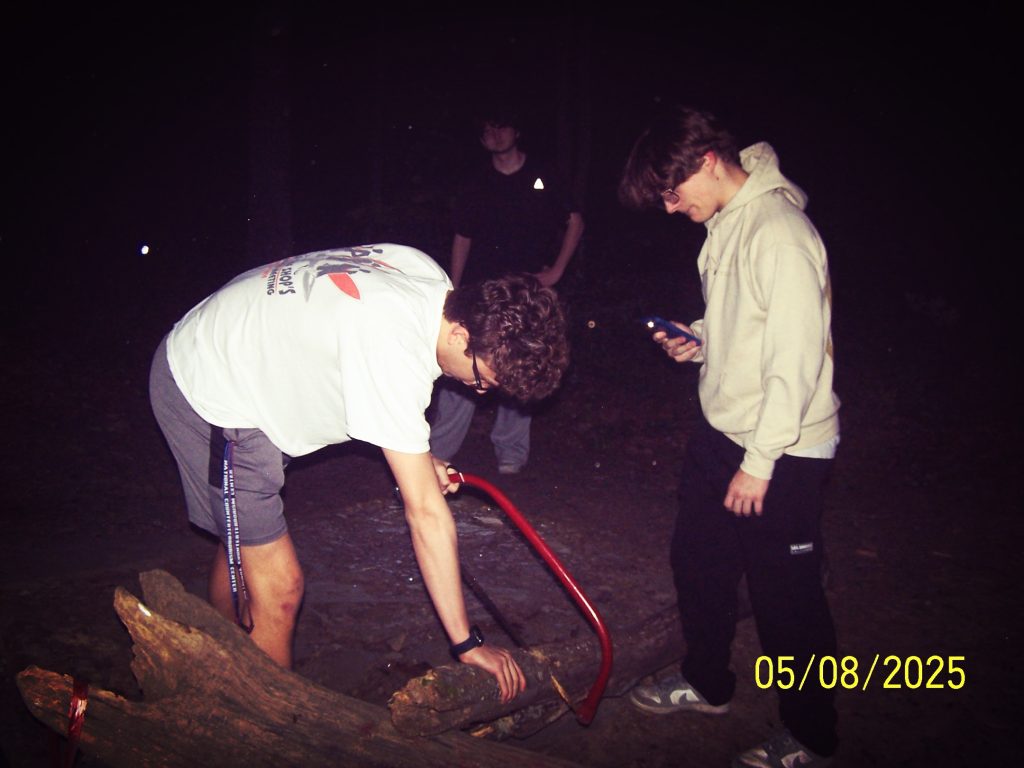
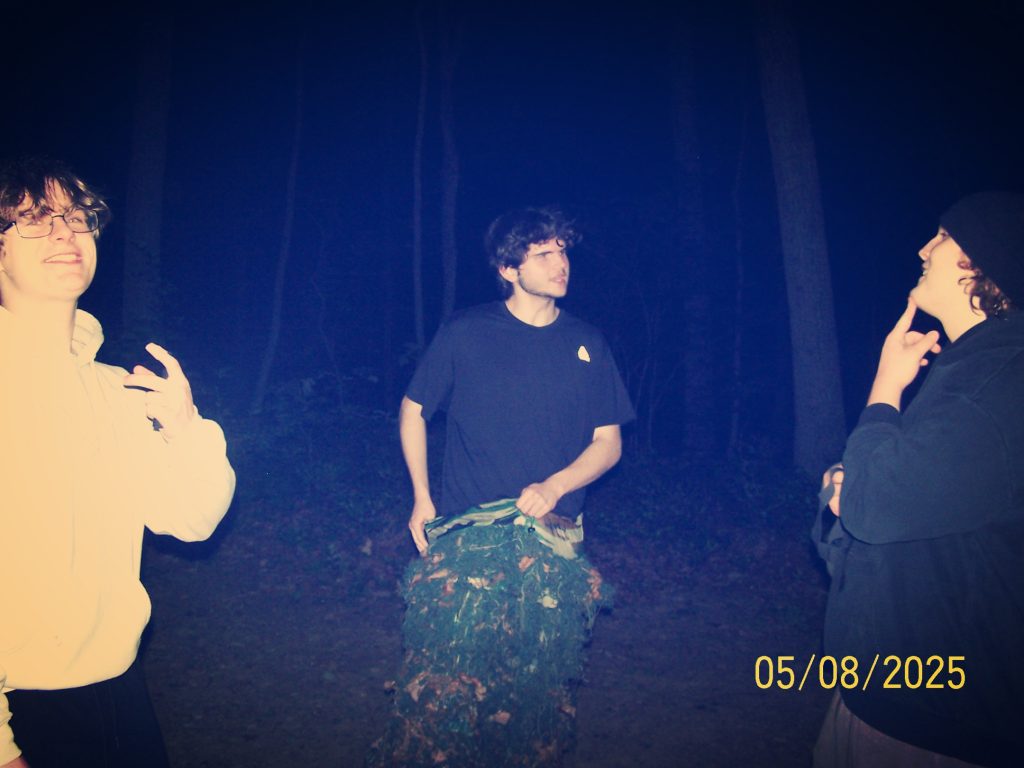
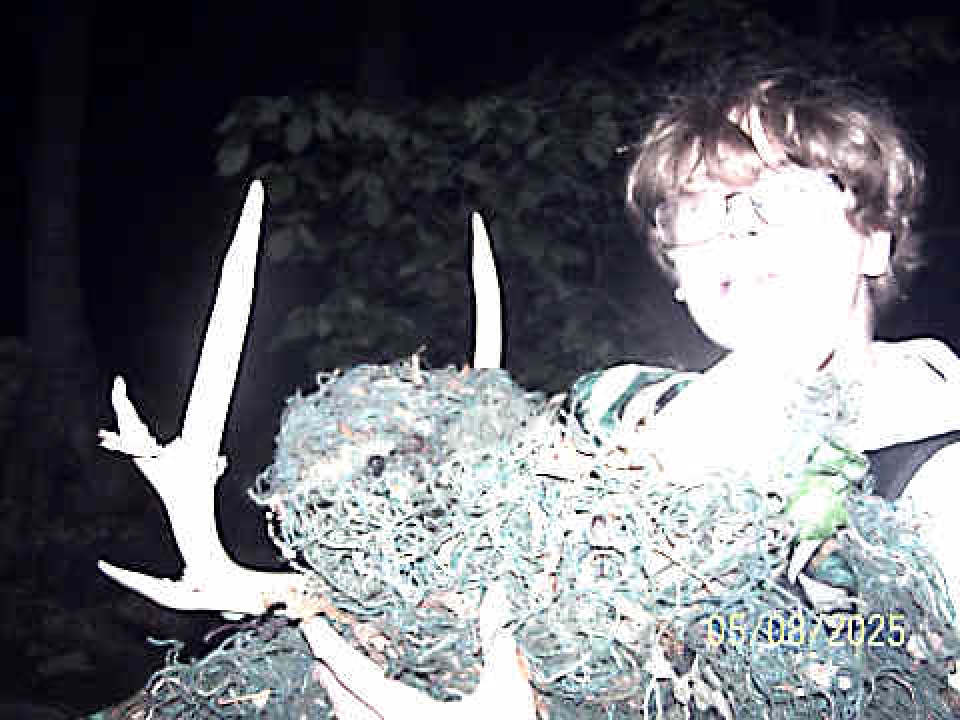
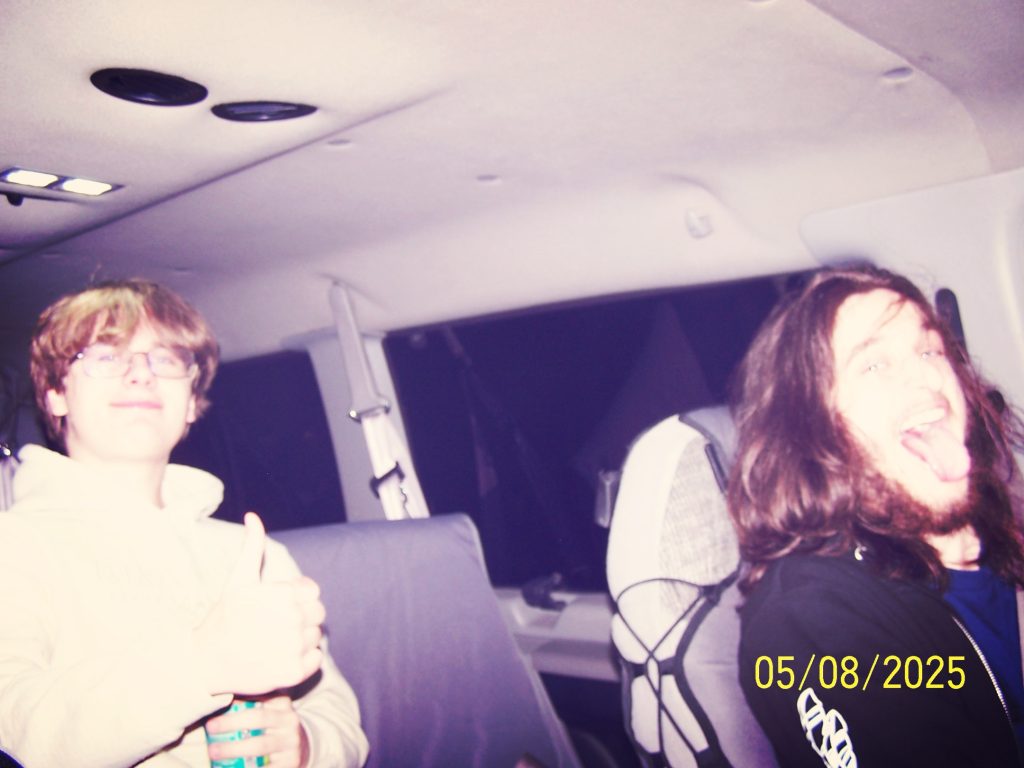
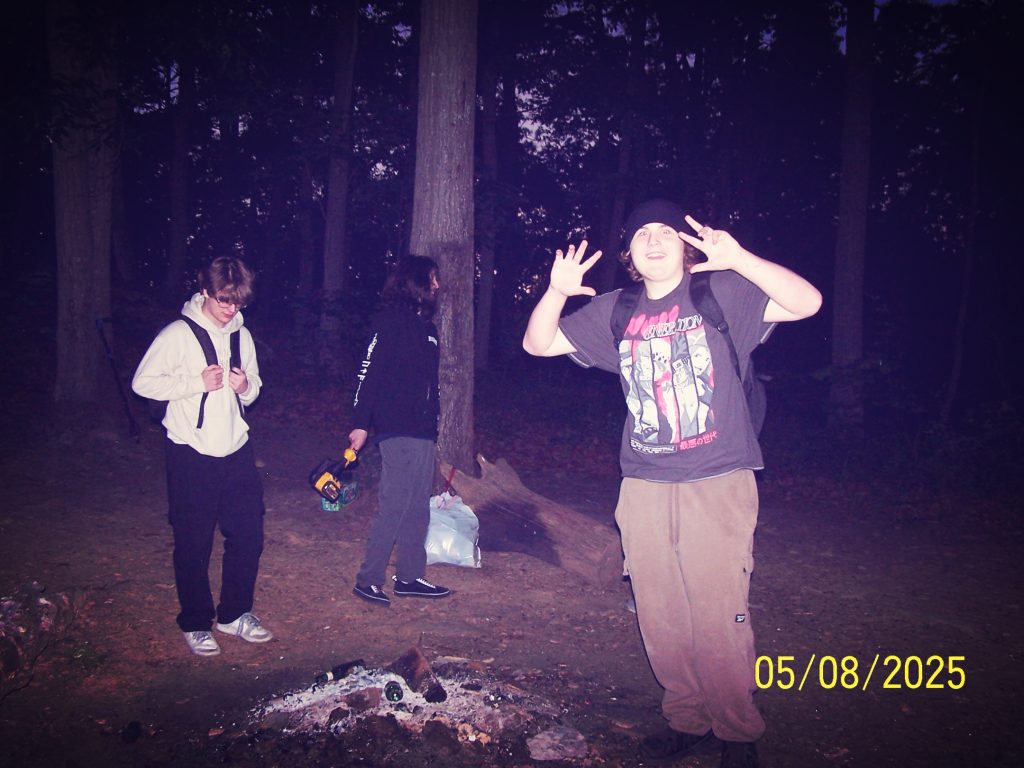
Follow the Red Trail has been built through a true team effort. As an independent production, every person involved has taken on real responsibility and helped shape the film beyond what a typical small project can achieve. The crew and cast have approached this like a professional set—showing up prepared, staying flexible, and putting in the extra work that indie filmmaking demands.
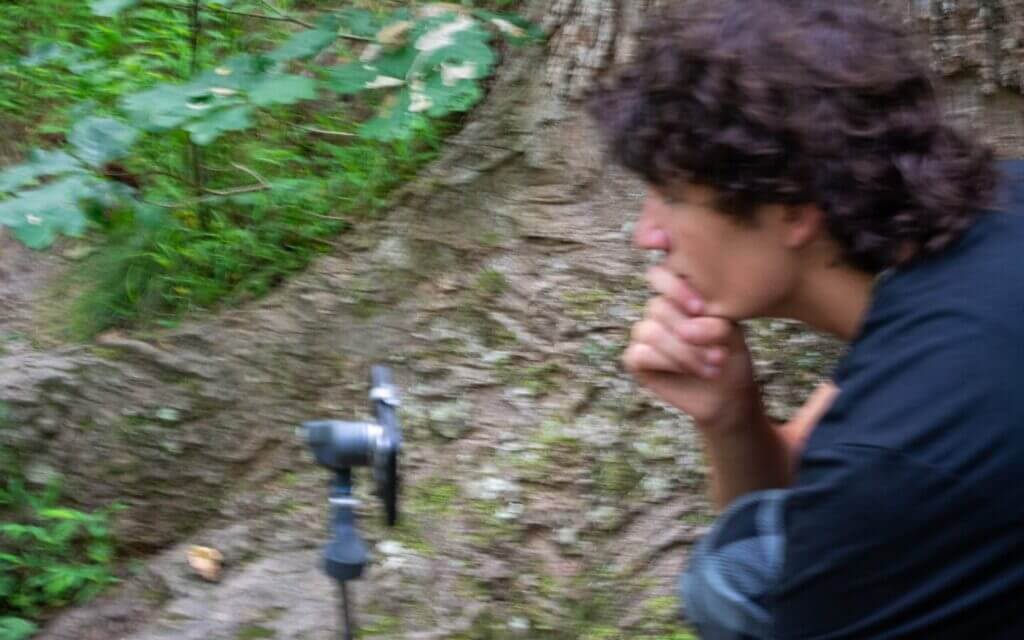
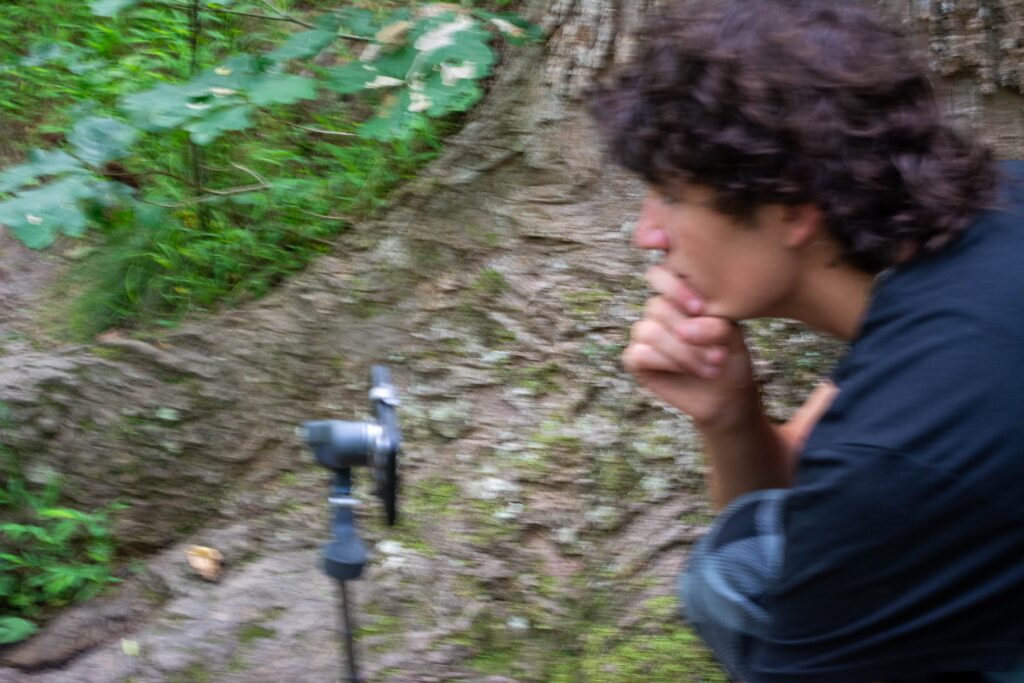
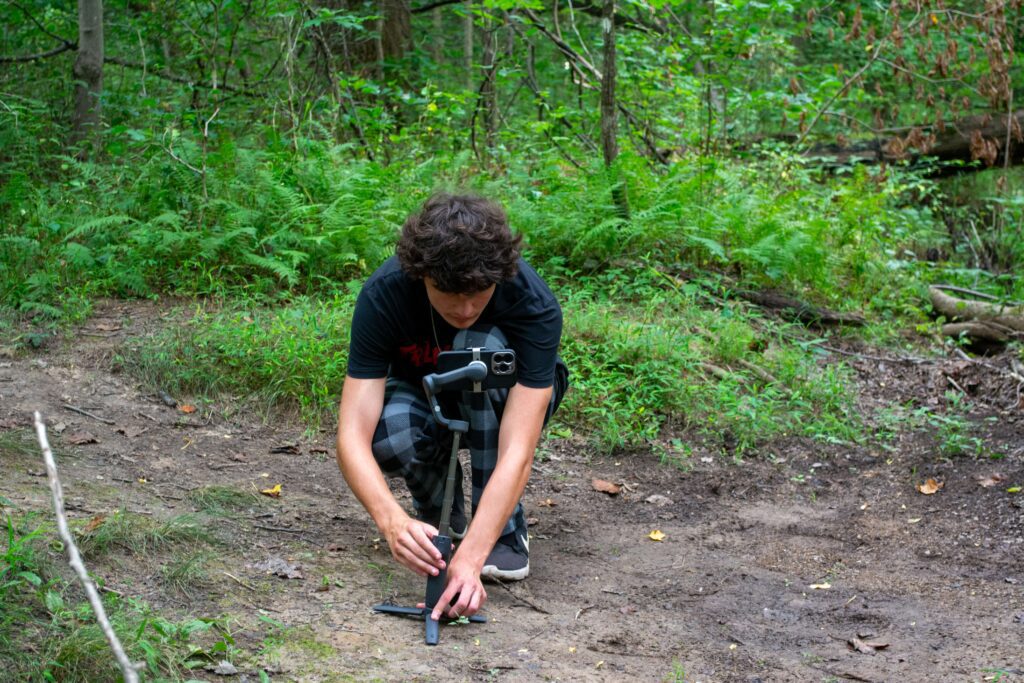
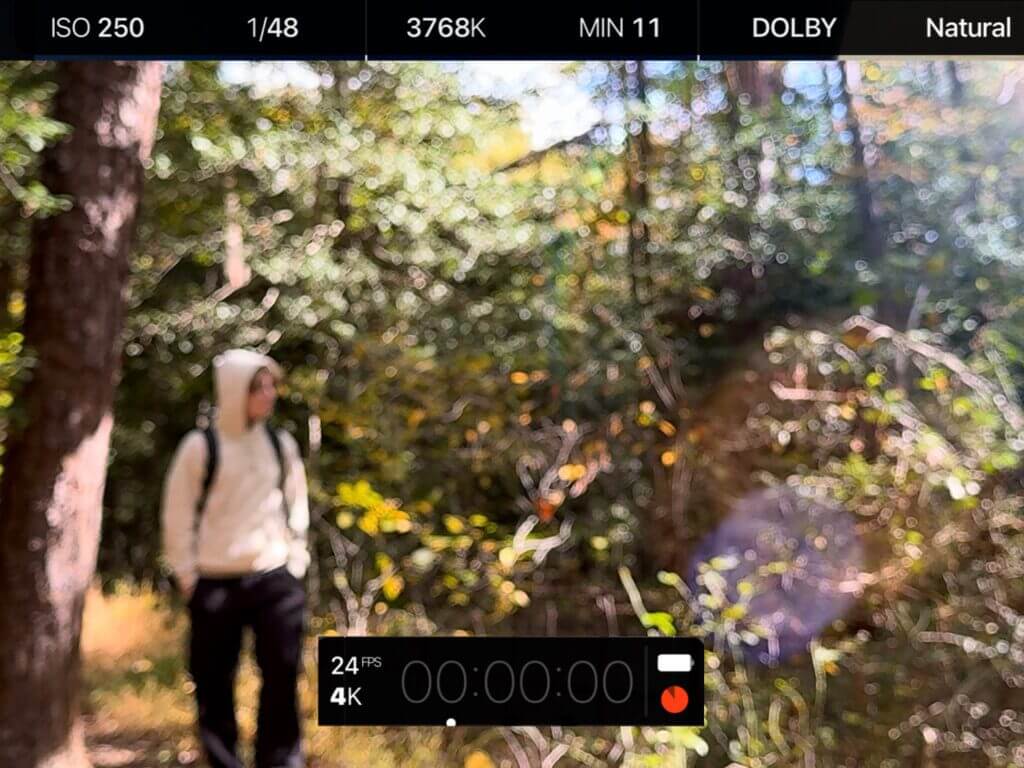
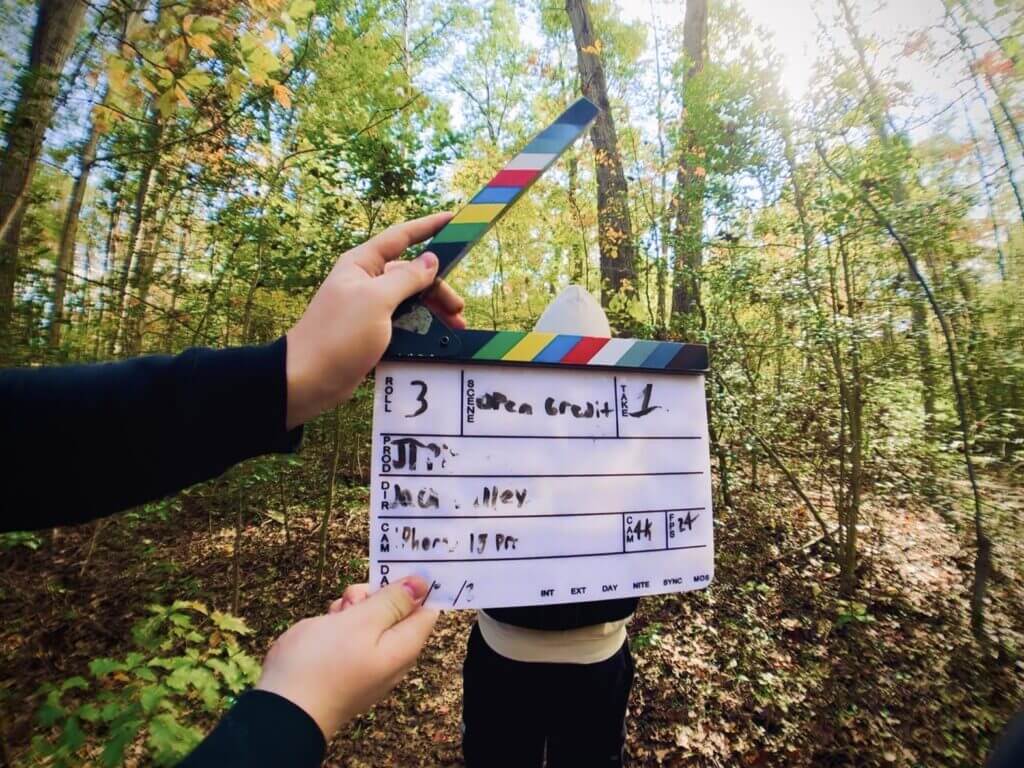
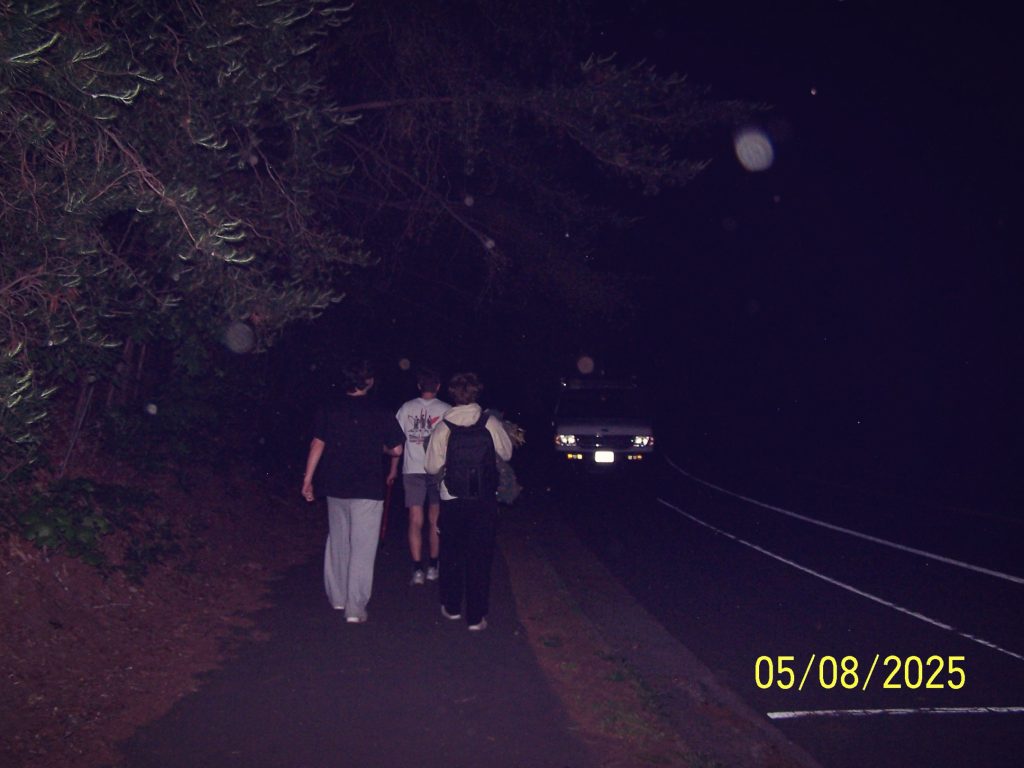
On the crew side, the production has relied on people who can problem-solve in real time and still protect the quality of the final image and sound. From setting up locations in challenging outdoor conditions to helping execute lighting and camera setups that maintain the film’s night-time atmosphere, the crew has been essential in creating a woods environment that feels cinematic and oppressive. They’ve helped manage practical constraints—weather, time, limited resources, and changing conditions—while keeping the work consistent and focused. Just as importantly, they’ve supported continuity and efficiency, making sure each shoot day produces usable, high-quality footage that holds up in editing.
The cast has brought the story to life with performances grounded in realism—making the fear, tension, and relationships feel authentic instead of exaggerated. In a film like this, where suspense depends on subtle reactions, timing, and believable decision-making, the actors’ work is a major part of what sells the horror. They’ve committed to physical, demanding scenes in an outdoor setting and maintained performance energy across multiple takes, angles, and long nights. That consistency is what allows the film to build tension gradually and makes the escalation feel earned.
Together, the crew and cast have helped turn Follow the Red Trail into more than an idea—they’ve helped make it a real film. Their dedication, patience, and professionalism have been the backbone of the production, and their work is a major reason the project continues to grow in quality and scope.
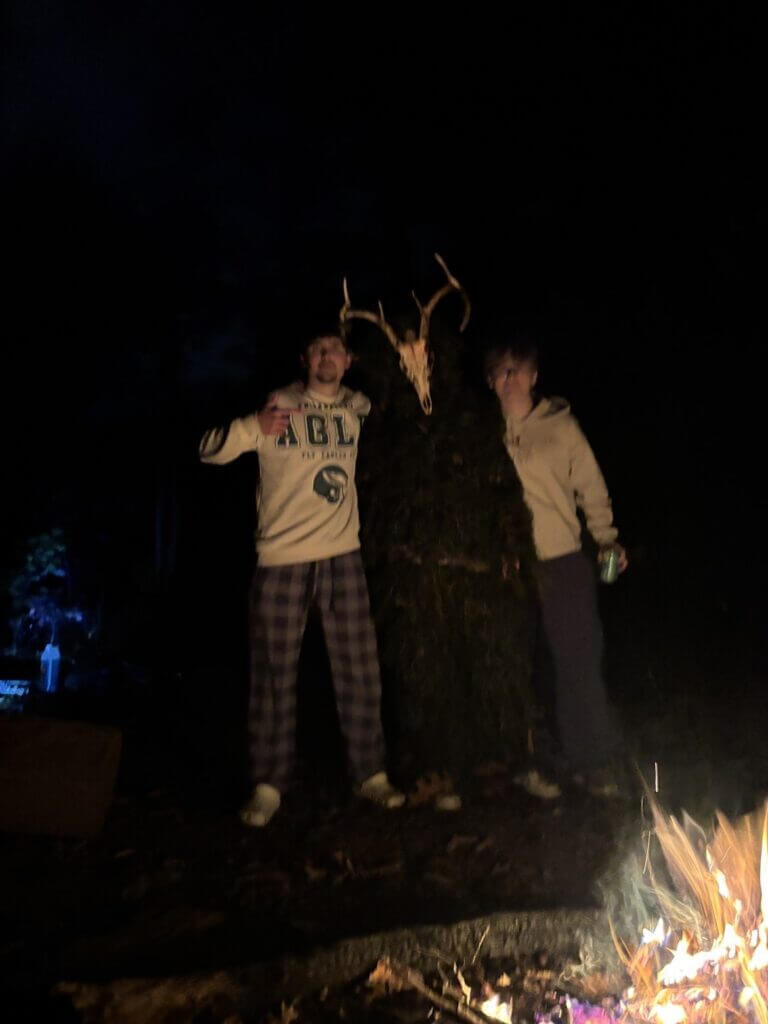
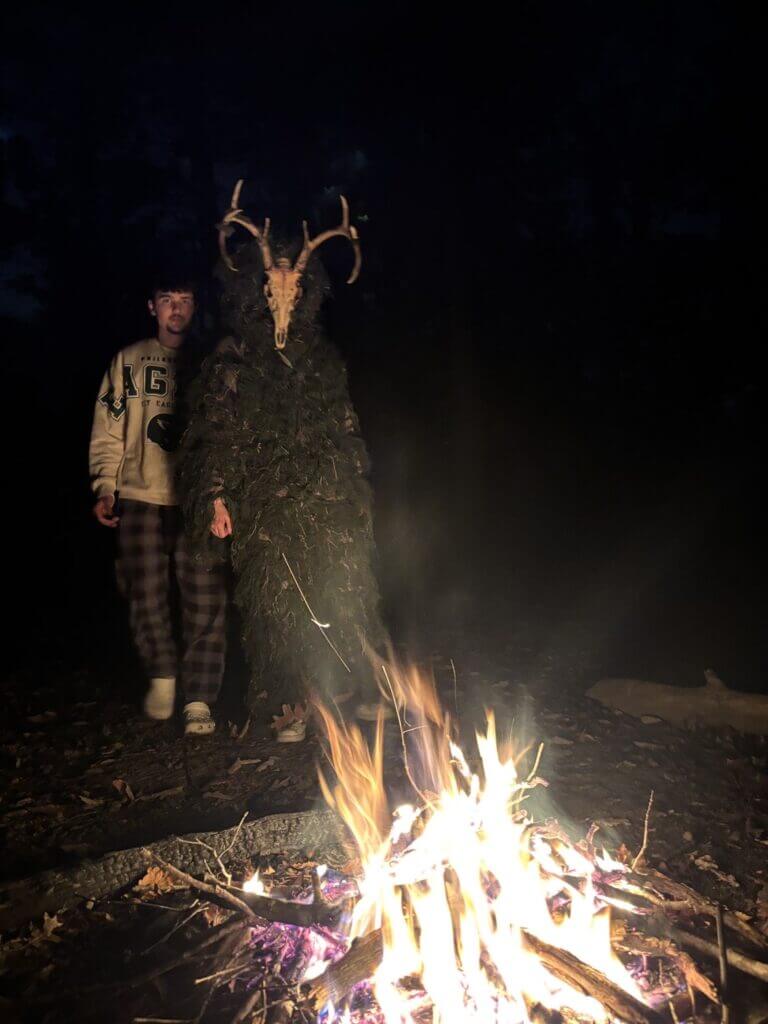
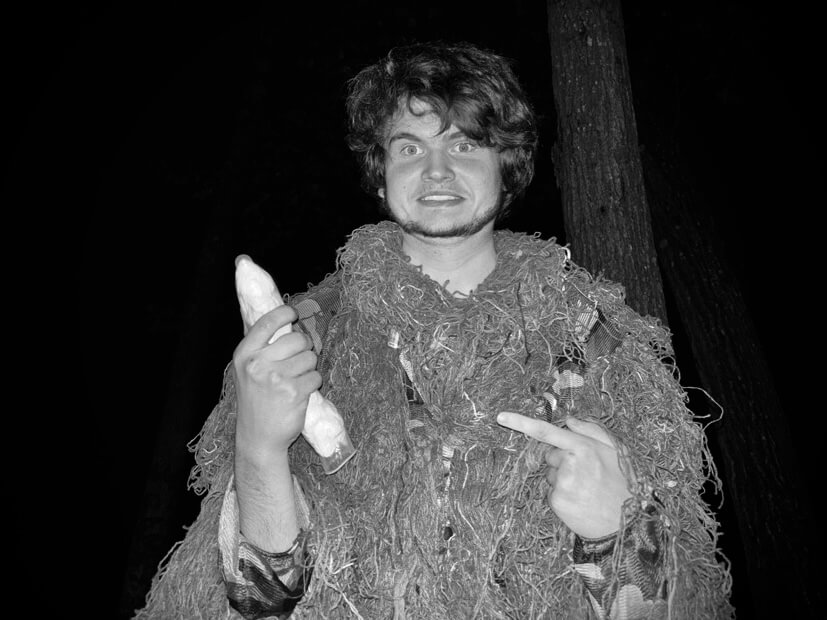
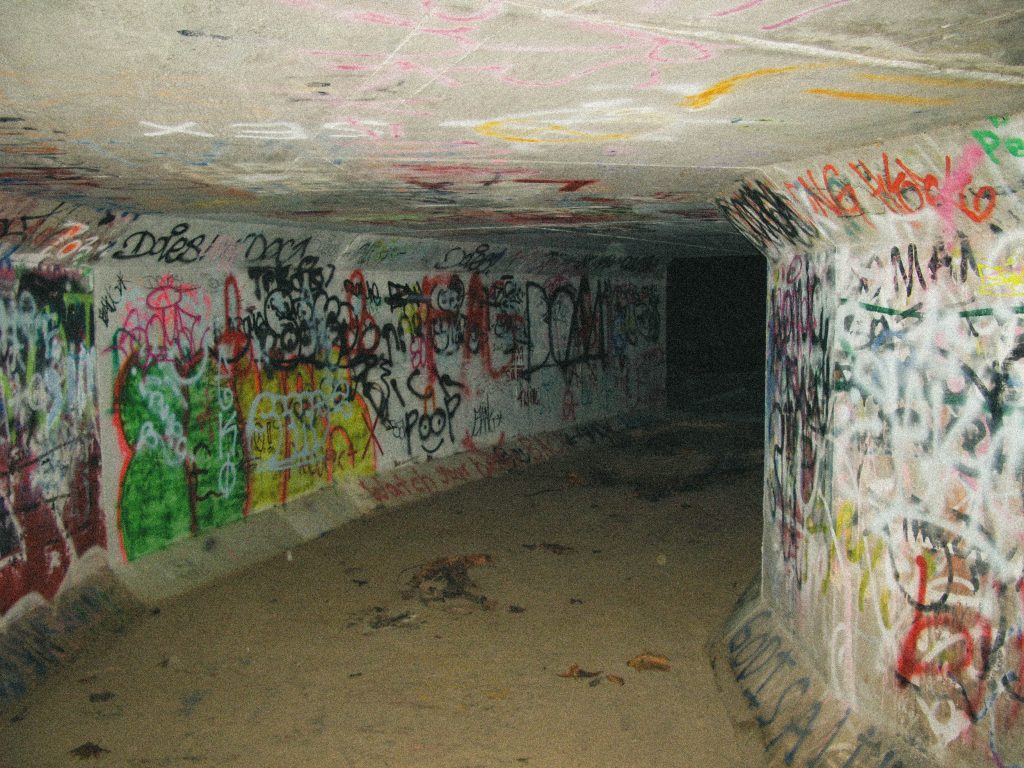
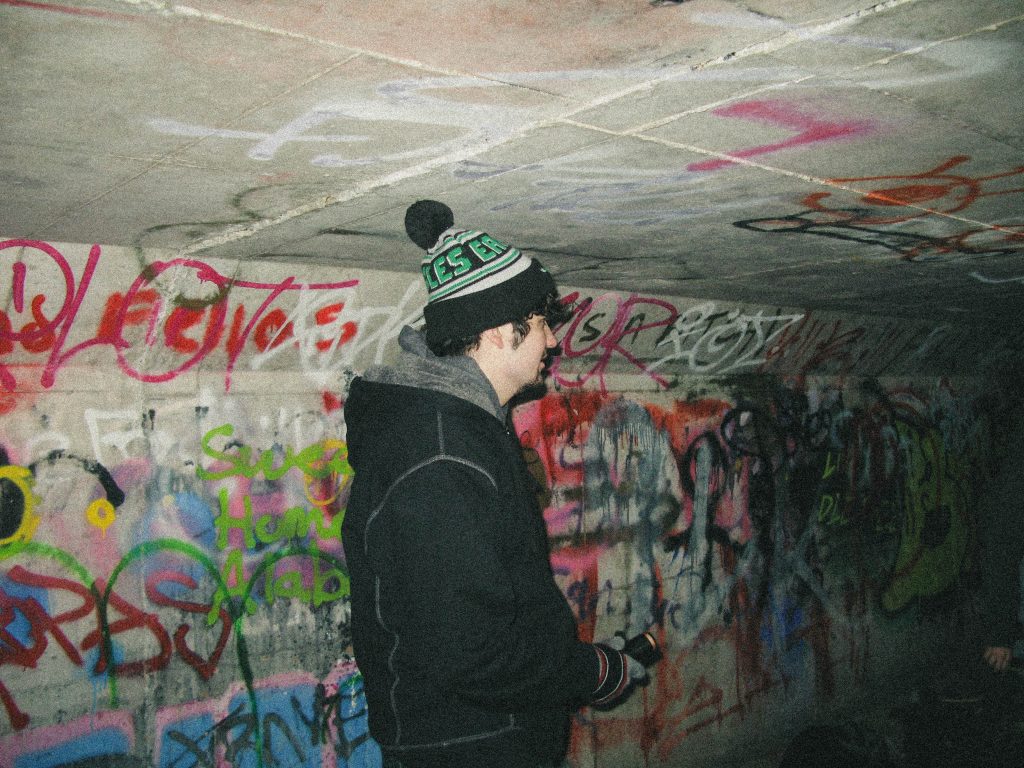
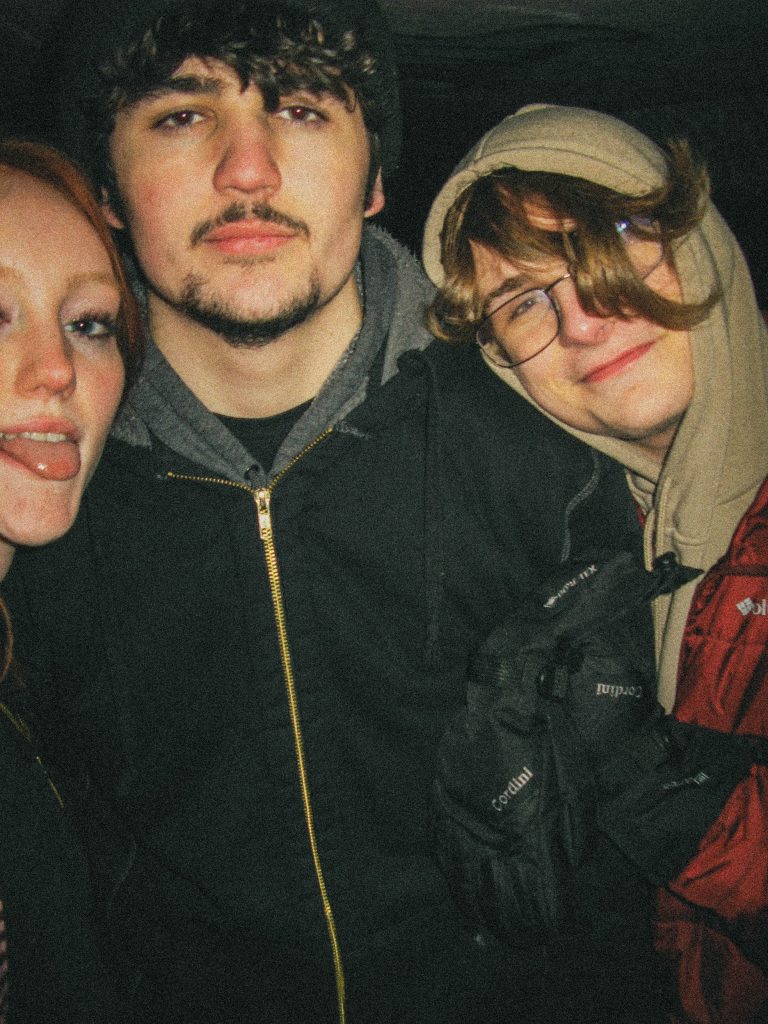
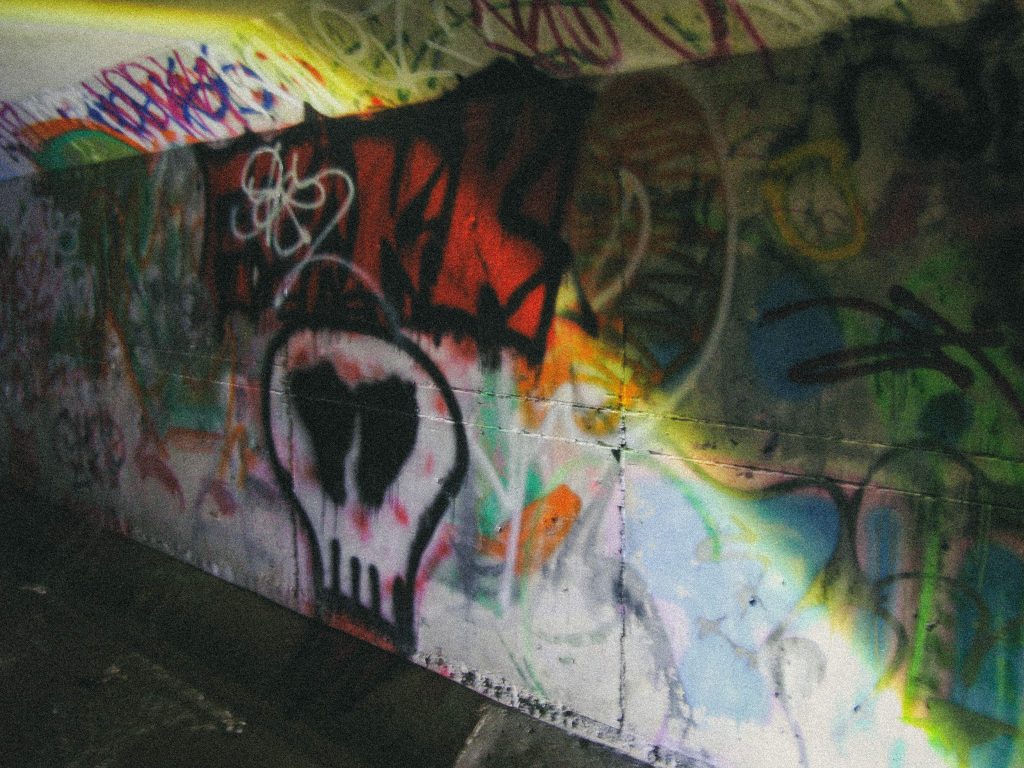
Watch the short film now:
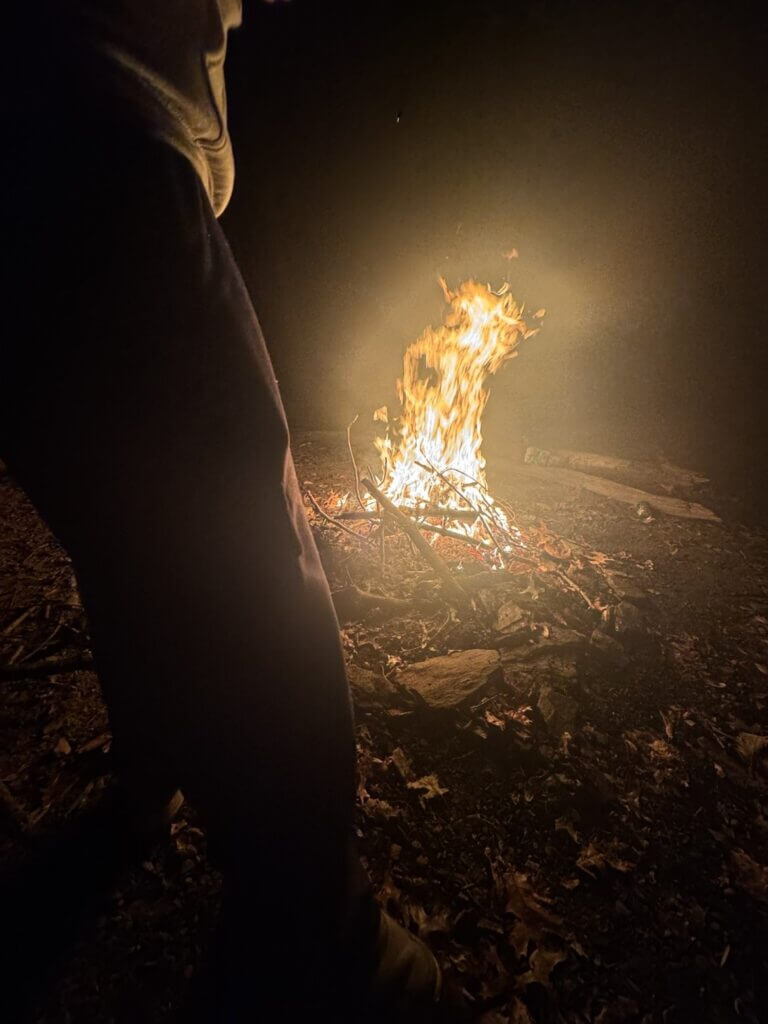
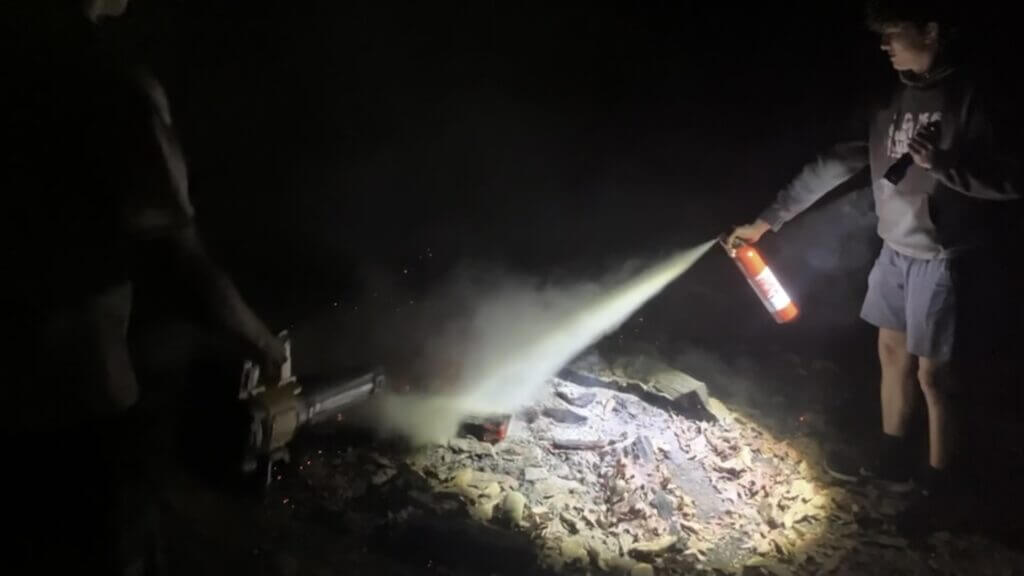
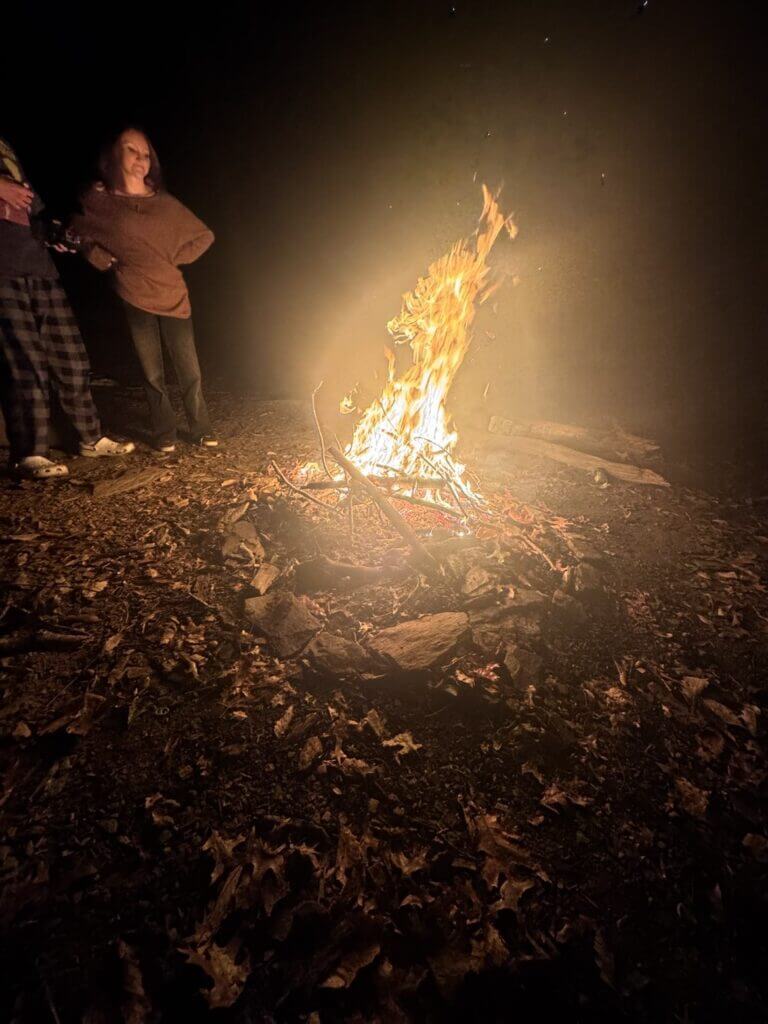
In the end, I feel we made a big leap. Going into the project, we had no clue what we were doing and it was all for fun. Filming started in the fall, filming ended in the spring. Throughout the months we had to go through freezing cold temperatures in the forest and relied on our campfire for warmth. This made many tasks like cinematography and acting more difficult. Filming paused in the winter and resumed early spring causing delays with the release date. With this, We definitely have a better understanding of what to prepare for in future projects along with what we can improve in general.
Children of the Trail
The second short film from JTPIX Productions is Children of the Trail, which serves as a prequel to Follow the Red Trail. This short film will be filmed entirely in a “Found Footage” style and maintain that approach across the production.